Unlock Perfect Harvests: Saying Goodbye to Cracked Tomatoes
There’s little that brings a UK gardener more joy than seeing those first tomatoes blush on the vine. That promise of sweet, sun-ripened flavour – it’s what keeps me going through the unpredictable British spring! But then, a familiar pang of disappointment hits. You reach for that perfect, ripe 'Cherokee Purple' or 'Sungold', only to find it marred by an ugly crack or split. Radial lines, concentric rings – whatever the pattern, it’s a heartbreaker.
Believe me, I've been there. When I first started gardening in my 800 sq ft Midlands backyard five years ago, my tomato harvests were a mix of triumphs and cracked tragedies. I'd lovingly tend to my plants in the greenhouse and raised beds, only for a sudden burst of summer sunshine followed by a typical British downpour to wreak havoc. I remember one season, nearly half my outdoor 'Moneymaker' crop was ruined by splitting, and even some of my cherished heirloom 'Brandywines' in the greenhouse developed those frustrating concentric rings. It felt like a constant battle against our ever-changing weather.
But over the years, through a lot of trial and error (and a fair few ruined tomatoes!), I've learned the secrets to minimising this common problem. It’s not about magic, but about understanding the why behind the cracking and then implementing a few key strategies. Today, I'm going to share what I've discovered works here in Britain – how mastering consistent watering, strategic mulching, and smart variety selection can dramatically improve your harvests, giving you those perfect, unblemished tomatoes you dream of. Let’s say goodbye to cracked fruit and hello to abundant, flawless harvests!
Why Do Tomatoes Crack? Identifying the Root Causes of Splitting
So, why does this happen? It’s not just bad luck, though our British climate certainly plays its part. When I first encountered widespread cracking, I thought it was a disease or perhaps I was just a terrible gardener. But after some digging and a lot of observation in my own UK garden, I realised it mostly boils down to one thing: rapid changes in moisture.
Tomatoes are a bit like us – they don’t like sudden shocks. Their skins are fairly elastic, but only up to a point. When the plant suddenly takes up a huge amount of water, often after a dry spell, the fruit cells expand rapidly, faster than the skin can stretch. This causes the skin to literally tear. This is particularly common here in the UK; we can have a week of glorious sunshine, the soil dries out, and then BAM! A massive thunderstorm rolls through, and your tomatoes soak up all that moisture at once.
There are two main types of cracking I see in my Midlands garden:
- Radial Cracks: These are cracks that radiate outwards from the stem end, like spokes on a wheel. They typically occur when the fruit is still green but rapidly expanding, often due to a sudden increase in soil moisture or heavy rain. I've found these are more common on my outdoor plants after a summer deluge.
- Concentric Cracks: These form in circles around the stem end. These usually appear on more mature, ripening fruit when the internal pressure builds up over time, often from inconsistent watering. My greenhouse tomatoes, despite being protected from rain, can still suffer from these if I'm not vigilant with my watering schedule.
Beyond inconsistent watering, other factors contribute too. Some varieties just naturally have thinner skins, making them more susceptible. Rapid growth spurts can also play a role, as can extreme temperature fluctuations, which affect the plant's water uptake and the fruit's elasticity. What works here in Britain is understanding that our variable weather makes every single one of these factors a bigger challenge.
Here’s a quick overview of the main culprits I’ve identified in my own experience:
| Cause | Randy's Observation (UK Specific) | Why it Happens (Brief Explanation) | Impact on Harvest |
|---|---|---|---|
| Inconsistent Watering | My biggest issue, especially after a dry spell followed by a heavy rain shower here in the Midlands. | Rapid influx of water causes fruit cells to swell faster than skin can stretch. | Radial (green fruit) or concentric (ripe fruit) cracks; reduces shelf life. |
| Thin-Skinned Varieties | My beloved 'Sungold' and 'Gardener's Delight' are delicious but prone to splitting. | Less elastic skin provides less resistance to internal pressure changes. | More frequent and often deeper cracks, especially concentric ones. |
| Rapid Growth | Less common but can happen if plants get a sudden nutrient boost and lots of water. | Overly fast cell division and expansion outpaces skin development. | Primarily radial cracks on younger fruit. |
| Extreme Temp Swings | Common in our UK summers – hot days, cool nights, especially in the greenhouse. | Affects water uptake and fruit skin elasticity, making it more brittle. | Can exacerbate cracking from other causes. |

The Goldilocks Approach: Mastering Consistent Watering for UK Tomatoes
If there's one golden rule I've learned in my five years of intensive UK gardening, especially with tomatoes, it's this: consistency is king when it comes to watering. It's the Goldilocks approach – not too much, not too little, but just right, all the time. This is particularly crucial here in the UK, where our weather can flip from glorious sunshine to torrential rain in a matter of hours.
When I first started, I was terrible at watering. I’d either forget for days, letting my raised beds dry out completely, or I’d overcompensate with a deluge, thinking more was better. Both approaches led to a frustrating amount of cracked fruit. I learned this the hard way, watching my beautiful 'San Marzano' tomatoes, grown so carefully in the greenhouse, split right before my eyes after I'd neglected them for a few days then drowned them.
Here's what I've found works for consistent watering in my 800 sq ft Midlands garden:
- Daily Checks, Not Always Daily Watering: Especially in raised beds and containers, which dry out faster than in-ground plots. I stick my finger about an inch or two into the soil. If it feels dry, it's time to water. In hot, sunny spells, this might mean every day for my greenhouse tomatoes, but in cooler, wetter British weather, it could be every other day, or even less. You can never just set a schedule and forget it here in the UK!
- Deep & Thorough Watering: Don't just sprinkle the surface. I aim to saturate the soil deeply, encouraging roots to grow downwards. For my mature tomato plants in raised beds, I typically give each plant 3-4 litres of water every other day during summer, more if it’s a heatwave. In the greenhouse, where evaporation is higher, it might be closer to 5 litres. This deep watering maintains even moisture throughout the root zone.
- Timing is Everything: I always water in the early morning. This gives the plants time to drink up before the midday sun causes too much evaporation, and it allows any moisture on the leaves to dry off, reducing the risk of fungal diseases that thrive in our damp UK climate. Avoid watering overhead in the evening, as lingering moisture can lead to blight.
- Listen to Your Plants (and the Weather Forecast!): Wilting leaves are an obvious sign of thirst, but by then, the damage might already be done. I've learned to watch the plants and the soil, and always check the local Midlands forecast. If heavy rain is predicted after a dry spell, I'll give my outdoor tomatoes a good, deep drink before the rain hits. This helps to slowly rehydrate them, reducing the shock when the downpour arrives.
- My Tools: For my raised beds, a good old watering can with a fine rose works perfectly, delivering water directly to the base of the plant. In my greenhouse, I've rigged up a simple drip irrigation system on a timer, which has been a game-changer for maintaining that crucial consistency, especially when I'm at work.
The goal is to keep the soil consistently moist, but never waterlogged. This steady supply of water ensures the fruit expands at a regular, manageable pace, allowing the skin to stretch without tearing. It's a bit of an art, especially with our notoriously variable British weather, but it's an art worth mastering for those perfect, unblemished tomatoes.
Strategic Mulching for Stability: Choosing and Applying Mulch Effectively
After consistent watering, the next big game-changer for me in preventing tomato cracking here in the UK has been strategic mulching. It's truly a secret weapon for maintaining that precious soil moisture stability, and it makes a huge difference, especially in my raised beds and greenhouse.
When I first started, I didn't bother with mulch. I thought it was just for aesthetics or weed suppression. But I quickly realised how much water was evaporating from my exposed soil, especially during our intermittent UK heatwaves. This led to that classic "dry then wet" cycle that causes cracking. Once I started mulching properly, I saw a dramatic reduction in split fruits and happier, healthier plants overall.
The Benefits of Mulching for UK Tomatoes:
- Moisture Retention: This is the big one. Mulch acts like a blanket, slowing down evaporation from the soil surface. This means more consistent soil moisture, which directly translates to less cracking. Crucial for our variable UK summers!
- Temperature Regulation: Mulch helps to insulate the soil, keeping it cooler on hot days and warmer on cool nights. This stable soil temperature is great for root health and reduces stress on the plant, which can indirectly help prevent cracking.
- Weed Suppression: Fewer weeds mean less competition for water and nutrients, allowing your tomato plants to thrive without unnecessary stress.
- Soil Health: Organic mulches break down over time, adding valuable organic matter and nutrients to your soil, improving its structure and fertility.
Choosing the Right Mulch for Your UK Garden:
Not all mulches are created equal. I've experimented with a few in my Midlands garden, and here's what I've found works best for tomatoes:
| Mulch Type | Pros (UK Garden) | Cons (UK Garden) | Randy's Verdict (UK Specific) |
|---|---|---|---|
| Straw (Wheat/Barley) | Excellent moisture retention, readily available (often from local farmers), breaks down slowly. My personal favourite. | Can introduce weed seeds if not clean; can be a fire hazard if too dry (less likely in UK!). | My go-to for tomatoes, both in raised beds and the greenhouse. Great for keeping soil consistently moist and cool. |
| Composted Wood Chips | Long-lasting, good weed suppression, adds organic matter over time. | Can tie up nitrogen initially if not fully composted; takes a while to break down. | Good for pathways or permanent beds, but I prefer straw for annuals like tomatoes where I want quicker breakdown. |
| Leaf Mould | Free! Excellent for soil structure, great moisture retention, improves soil biology. | Can be slow to collect/create in large quantities; can get soggy if too thick in very wet spells. | Fantastic if you have a supply. I use it around my outdoor tomatoes when I have enough. |
| Grass Clippings (Dried) | Readily available, free, adds nitrogen as it breaks down. | Must be dried first to prevent matting and sliminess; can introduce weed seeds. | I use these sparingly and only when thoroughly dried, usually as a thin layer under straw. Avoid fresh clippings near stems. |
| Black Plastic / Weed Fabric | Excellent weed suppression, warms soil quickly, good for moisture retention. | Can overheat soil in hot spells; doesn't add organic matter; not aesthetically pleasing. | I only use this for early season warming in outdoor beds, then replace with organic mulch. Not a fan for my heirloom tomatoes. |
Applying Mulch Effectively:
- Timing is Key: I usually apply mulch once my tomato plants are established, about a foot tall, and after the soil has thoroughly warmed up – typically late May to early June here in the Midlands. Mulching too early can keep the soil too cool.
- Clean Slate: Ensure the area is free of weeds before applying your mulch. Otherwise, you're just giving them a cosy blanket!
- Depth: Aim for a layer 2-4 inches deep. Too thin, and it won't be effective; too thick, and it can suffocate the soil or create issues with dampness around the stem.
- Mind the Stem: Always leave a small gap (an inch or two) around the base of the tomato stem. This prevents moisture from accumulating directly against the stem, which can lead to rot or fungal problems, especially in our damp UK conditions.
- Replenish: Organic mulches will break down over the season, so I usually top mine up once or twice, particularly after heavy rains or prolonged dry spells.
Last year, I ran out of straw mid-season for my outdoor bed and had to use some rough, partially composted wood chip on half my plants. The difference in soil moisture consistency and overall plant health was quite noticeable compared to the straw-mulched section. The straw just held moisture better and broke down more gently for the tomatoes. Trust me, a good layer of mulch is an absolute game-changer for preventing those frustrating cracks and keeping your tomatoes happy and hydrated!

5. Smart Selection: UK Tomato Varieties Built to Withstand Splitting
After mastering consistent watering and strategic mulching, the next big lever you can pull in the fight against cracked tomatoes is smart variety selection. I’ve learned this the hard way over my five years of growing here in the UK; some varieties just shrug off our unpredictable British weather better than others. While no tomato is entirely immune to cracking if subjected to extreme fluctuations, some are certainly more resilient, boasting tougher skins or a more elastic growth habit.
In my 800 sq ft Midlands garden, especially with my beloved heirloom tomatoes in the greenhouse, I've experimented with dozens of varieties. I quickly realised that while 'Costoluto Fiorentino' gives you those beautiful ribbed fruits, they are notoriously prone to splitting with even a hint of inconsistent watering or a sudden downpour. It was a heart-breaking lesson, watching half my harvest crack right on the vine. So, I started looking for varieties known for their resilience, especially those that perform well in our often-damp and changeable UK climate.
Generally, smaller tomatoes like cherry and grape varieties, and those with thicker skins or a more oval/plum shape, tend to be less susceptible to cracking. Their smaller surface area-to-volume ratio means they absorb and release water more evenly. Beefsteaks and larger, thinner-skinned heirlooms, while undeniably delicious, often demand more meticulous care if you want to avoid those tell-tale cracks.
Here’s a quick rundown of some varieties I’ve grown in my UK garden, highlighting their crack resistance and what I’ve observed:
| Variety Name | Type | Crack Resistance (1-5, 5=Best) | Best Use | Randy's UK Garden Notes |
|---|---|---|---|---|
| Sungold F1 | Cherry | 5 | Snacking, Salads | My absolute favourite! In my greenhouse, these rarely crack, even if I'm a bit inconsistent. Sweet, prolific, and robust. A must-grow for any UK gardener. |
| Gardener's Delight | Cherry | 4 | Snacking, Salads | A classic for a reason. Good resistance, though can show minor shoulder cracks if hit by heavy rain after a dry spell. Still, a solid choice for outdoor UK growing. |
| Roma VF | Plum/Paste | 4 | Sauces, Drying, Roasting | Thicker skin and meaty texture make these very crack-resistant. Perfect for processing. I grow these in my raised beds and they cope well with our Midlands summers. |
| San Marzano | Plum/Paste | 4 | Sauces, Passata | Similar to Roma, excellent resistance due to their tough skin. A bit more vigorous than Roma in my experience, thrives in my greenhouse. |
| Legend | Bush/Slicer | 4 | Slicing, Salads | Bred for disease and crack resistance, and it really delivers. A good choice for outdoor growing here in Britain, even in a cooler summer. The flavour is good, too. |
| Moneymaker | Standard | 3 | Slicing, Salads | A heritage UK variety, but I've found it can be quite prone to cracking if watering isn't spot on, especially in the greenhouse. Good yield, but needs careful management. |
| Cherokee Purple | Beefsteak | 2 | Slicing, Gourmet Salads | Unbeatable flavour, but its thin skin makes it very susceptible to cracking. I only grow this in my greenhouse where I can control conditions meticulously. A risky outdoor choice for the UK if you want perfect fruit. |
| Celebrity F1 | Bush/Slicer | 4 | Slicing, General Use | A good all-rounder and quite reliable. Its firm flesh and medium skin thickness give it decent crack resistance. I've had good success with this one in my outdoor raised beds. |
| Mountain Magic F1 | Standard | 5 | Slicing, Salads | Another F1 hybrid known for excellent crack resistance and disease tolerance. I've only tried this one for two seasons, but it's performed exceptionally well in my greenhouse. |
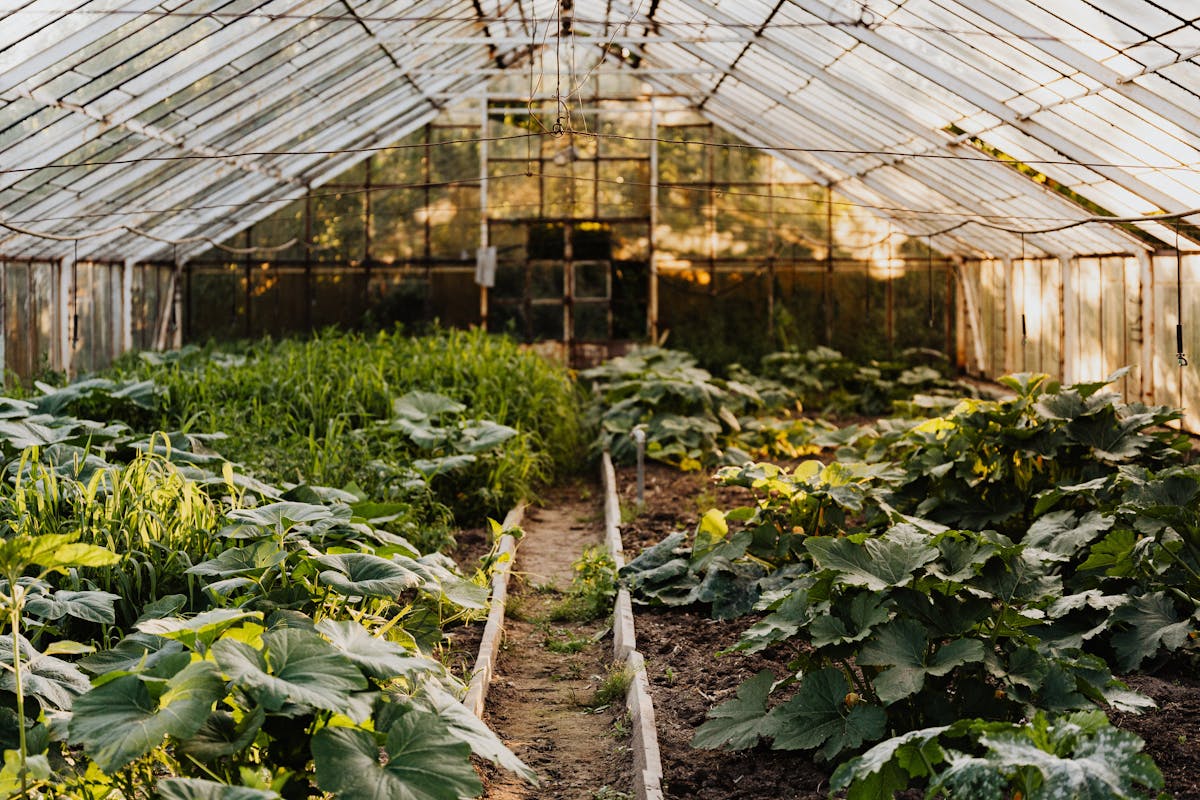
Choosing the right varieties for your UK garden’s specific conditions – whether you’re growing in a greenhouse or out in the elements – will make a huge difference to your success. Don't be afraid to experiment, but always start with a few known resilient types to guarantee some crack-free harvests.
6. Beyond Watering & Mulching: Additional Tips for Pristine Tomato Harvests
While consistent watering and strategic mulching are your biggest allies against cracking, there are several other practices I’ve integrated into my gardening routine that contribute significantly to healthier, crack-free tomato harvests here in the UK. These are the details that separate a good harvest from a truly pristine one.
Pruning for Health and Airflow
Proper pruning isn't just about managing plant size; it's crucial for plant health and fruit quality. I primarily prune my indeterminate (cordon) tomatoes in the greenhouse, but it applies to bush varieties too, to a lesser extent.
- Sucker Removal: Those little shoots that appear in the 'armpit' between the main stem and a leaf stem are suckers. If left, they'll grow into another fruiting stem, diverting energy from existing fruits and creating a dense, humid canopy. I pinch these out regularly, usually weekly, when they’re small.
- Lower Leaf Removal: Once the lowest trusses have set fruit and started to ripen, I remove the leaves below them. This improves airflow around the base of the plant, reducing humidity (a big win in our often-damp UK climate!) and helping to prevent fungal diseases. It also directs more energy to the developing fruits. Just don't go overboard – leaves are essential for photosynthesis!
- Topping (for Indeterminates): Towards the end of August here in the Midlands, I usually 'top' my indeterminate tomatoes in the greenhouse. This means pinching out the growing tip of the main stem, encouraging the plant to put all its remaining energy into ripening existing fruit before the cooler, shorter days of autumn arrive.
One mistake I made in my first year was being too timid with pruning. I ended up with a dense jungle of foliage, and while I got lots of tomatoes, many were smaller, took longer to ripen, and yes, more of them cracked due to poor air circulation and the plant being overstressed.
Staking and Support: A UK Essential
Our British weather, especially here in the Midlands, can throw some serious wind and rain at us. Strong support is non-negotiable for healthy tomato plants.
- Sturdy Stakes: For my outdoor raised beds, I use robust bamboo canes or even hazel branches I coppice from local woods. They need to be driven deep into the soil at planting time to avoid damaging roots later. As the plant grows, I tie it loosely to the stake with soft garden twine, forming a figure-eight around the stem and stake to prevent chafing.
- Cages: Some gardeners swear by tomato cages, especially for bush varieties. I've used them for some of my smaller bush tomatoes in pots, and they work well to keep the plant upright and fruit off the ground, reducing disease and potential cracking from ground contact.
- Greenhouse Support: In my greenhouse, I use strings suspended from the roof structure. I twist the main stem around the string as it grows, providing continuous, gentle support. This system works brilliantly for my tall heirloom varieties.
Proper support prevents stems from snapping under the weight of fruit (another source of plant stress) and keeps fruits off the soil, which can lead to rot and disease, as well as uneven ripening and cracking if they sit in damp soil.
Balanced Nutrition
While not a direct cause of cracking, a healthy, well-fed plant is a resilient plant. Sudden, unbalanced feeding can sometimes cause issues, much like erratic watering.
- Avoid Nitrogen Overload: Too much nitrogen encourages leafy growth at the expense of fruit production and can make plants softer and more susceptible to stress.
- Potash for Fruiting: Once flowers appear, I switch to a tomato-specific feed, which is typically higher in potassium (potash). This promotes flowering and fruiting and can help strengthen cell walls, making fruits slightly more robust. I use a liquid feed, usually every 7-10 days, as per the product instructions, but always on moist soil to avoid root burn.
Harvesting at the Right Time
This is a simple but effective tip, especially when our UK weather forecasts rain after a dry spell.
- Don't Leave Them Too Long: While tomatoes taste best when fully ripened on the vine, if you know heavy rain is coming, it’s often better to pick fruits that are showing good colour break (starting to turn from green to their final colour). They will continue to ripen indoors on a windowsill, and you'll save them from potential cracking.
- Daily Checks: I make it a habit to check my tomato plants daily during peak season. This allows me to spot ripening fruits, remove any diseased leaves, and catch any potential cracking issues early.
These additional practices, combined with your diligent watering and mulching, will give your tomatoes the best possible chance to mature into perfect, unblemished beauties.
7. Your Path to Pristine Tomatoes: A Season of Perfect Harvests Awaits
What a journey we've been on, talking about the nuances of growing perfect, crack-free tomatoes here in the UK! From understanding why our precious fruits split to implementing practical, real-world solutions, I hope you feel armed and ready for your best tomato season yet. This isn't just about avoiding a common gardening frustration; it's about maximising your harvest, enjoying every single delicious fruit, and feeling immense satisfaction from your hard work.
Let’s quickly recap the cornerstones of our strategy:
- The Goldilocks Approach to Watering: No more feast or famine! Aim for consistent, deep watering that keeps the soil evenly moist, especially critical in our changeable British climate. My dripline system in the greenhouse and careful hand-watering in my raised beds have been game-changers.
- Strategic Mulching: A thick blanket of organic mulch is your best friend. It locks in moisture, moderates soil temperature, and suppresses weeds – all contributing to that crucial watering consistency. I swear by my homemade compost and straw mix.
- Smart Variety Selection: Choose tomatoes known for their crack resistance, especially if you're growing outdoors in the unpredictable UK weather. Cherry and plum types are often more forgiving than delicate heirlooms.
- Beyond the Basics: Don't forget the power of good pruning for airflow, sturdy staking against our gusty winds, balanced nutrition for resilient plants, and timely harvesting to outsmart those sudden downpours.
When I first started gardening five years ago, I made every mistake in the book – including watching entire trusses of 'Moneymaker' split after a sudden summer shower. It was disheartening, but it fuelled my obsession to understand and overcome these challenges. That's what gardening is all about, isn't it? Experimenting, learning from your failures (and the British weather!), and continually refining your techniques.
In my 800 sq ft Midlands garden, packed with raised beds and my beloved greenhouse, every season is a new opportunity to learn more. The joy of picking a perfectly ripe, unblemished 'Sungold' cherry tomato, still warm from the sun, or slicing into a flawless 'Legend' for a summer salad, is truly unmatched. It's the reward for all that effort, all that observation, and all that dedication.
Your path to pristine tomatoes starts now. Take these tips, adapt them to your own UK garden, and don't be afraid to get your hands dirty and experiment. Every gardener’s microclimate is slightly different, but the principles remain the same. I'd love to hear about your own experiences and successes! Share your tips, your favourite crack-resistant varieties, or even your biggest tomato-growing lessons learned in the comments below.
A season of perfect harvests awaits you. Go forth and grow!