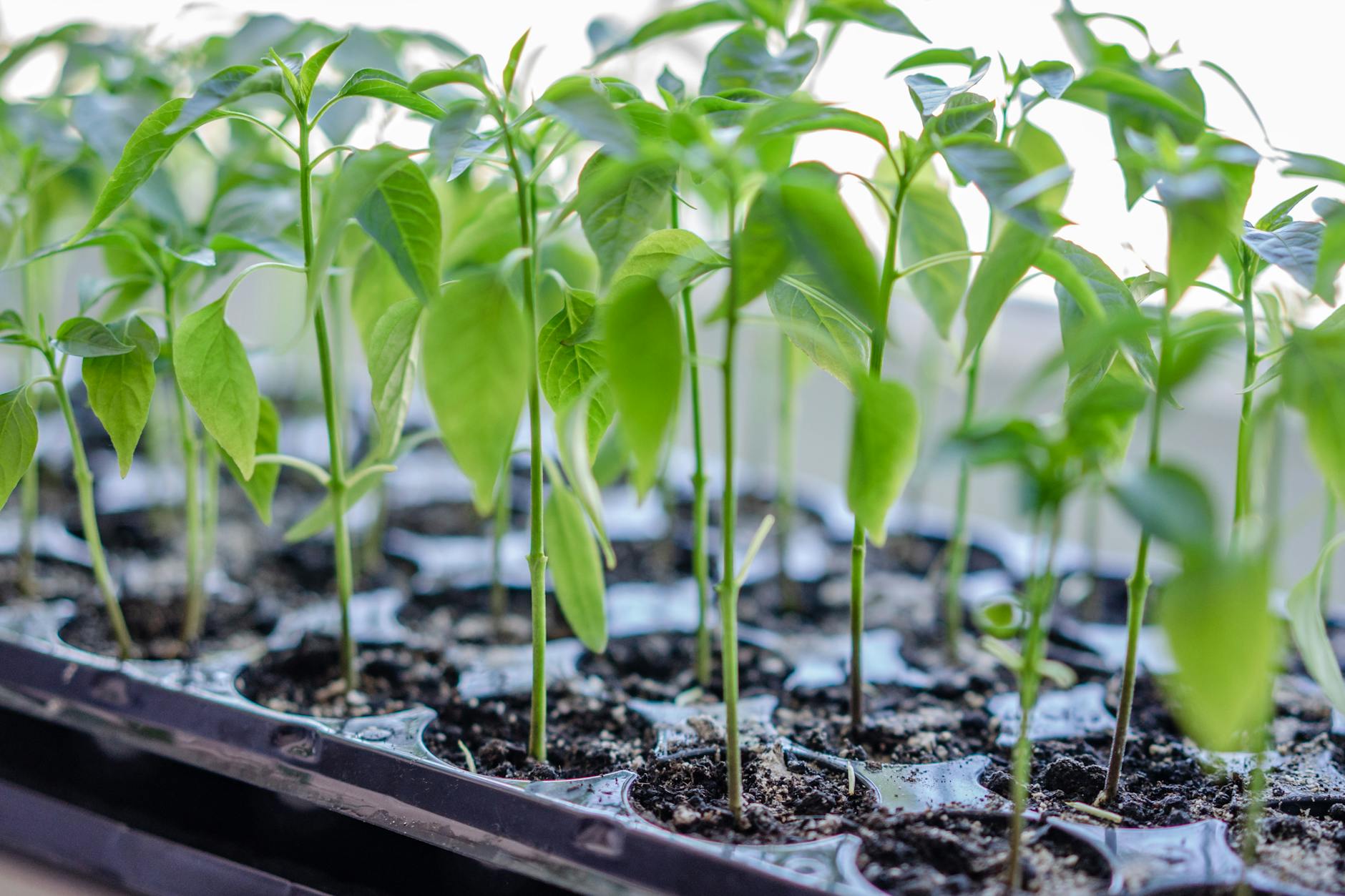
Ah, spring! Or at least, the thought of spring here in the UK. For us keen gardeners, this time of year means one thing: seed starting season is in full swing. My little greenhouse out in the Midlands, usually home to my beloved heirloom tomatoes, is currently crammed with trays of hopeful little seeds, all waiting for their moment in the sun. There's nothing quite like the thrill of seeing those first tiny green shoots emerge, is there? It's a testament to the cycles of nature, and frankly, it's just pure magic.
But let's be honest, gardening isn't always sunshine and roses. Sometimes, despite our best efforts and all the careful planning, unwelcome guests decide to crash the party. And when it comes to seed starting, one of the most persistent and downright annoying intruders I've encountered in my five years of intensive UK gardening are fungus gnats. These tiny, irritating flies can turn your pristine trays of future prize-winning vegetables into a nursery for their larvae, threatening to decimate your precious seedlings before they even get a proper start. Believe me, I've learned this the hard way more than once, especially during those damp, grey British spells when ventilation can be a real challenge. I've been there, staring at a tray of wilting 'Moneymaker' tomato seedlings, wondering what on earth was going wrong, only to discover a silent, microscopic menace at work. So, if you're like me – obsessed with getting a healthy, vigorous start for your plants here in Britain – then understanding how to prevent and eradicate these little blighters is an absolute game-changer. Let's dive in and save those seedlings!
The Unwanted Guests: Understanding Fungus Gnats and Their Threat to UK Seedlings
Fungus gnats (scientific name: Sciaridae family, if you want to get technical, which my former IT brain often does!) are those tiny, dark, mosquito-like flies that you often see buzzing around your houseplants or, more nefariously, your seed starting trays. They're not just a nuisance, though; they pose a very real threat to the delicate lives of your young plants, especially in the enclosed, often humid conditions we create for seed starting here in the UK.
I first really came face to face with them a few years back when I was attempting to start a particularly ambitious batch of 'Costoluto Fiorentino' tomatoes – an heirloom variety I adore – in my greenhouse. I'd been so careful with my compost mix and watering, or so I thought. Then, I started seeing these tiny flies, just a few at first, flitting around the trays. "Annoying," I thought, "but surely harmless." Oh, how wrong I was! It turns out, those adult gnats are just the tip of the iceberg. Their main goal? To lay hundreds of tiny, translucent eggs in the damp top layer of your compost.
It's the larvae that emerge from these eggs, tiny, legless, white or clear-bodied maggots with black heads, that are the true villains. These little munchers thrive on decaying organic matter in your compost, but when that's in short supply, or if they're particularly numerous, they'll turn their attention to the tender roots and stems of your fledgling seedlings. Imagine a tiny army, unseen, nibbling away at the very foundations of your plants! For delicate seedlings, whose root systems are barely established, this damage can be catastrophic, leading to stunted growth, wilting, and even damping-off disease, which can wipe out an entire tray overnight. Here in the Midlands, where we often have stretches of damp, cooler weather even into late spring, the conditions indoors or in a greenhouse can become perfectly hospitable for these pests if we're not vigilant.
Prevention is Key: Proactive Steps for a Gnat-Free Start in Your Seed Trays
When it comes to fungus gnats, my absolute mantra, honed over countless trays of seedlings in my 800 sq ft UK garden, is that prevention is infinitely better than cure. Once you've got a full-blown infestation, it's a battle. Taking a few proactive steps can save you a world of heartache and protect your precious 'Gardeners Delight' or 'Red Russian Kale' seedlings. I've experimented with various methods over the years, learning what truly works well in our British climate, especially when balancing the need for warmth and humidity for germination with keeping pests at bay.
One of the biggest lessons I learned early on was about watering. When I first started, fresh from my IT desk, I'd just water from the top, often overdoing it, thinking "more water, more growth!" Big mistake. That constantly damp top layer of compost is a five-star hotel for fungus gnats. They absolutely love it. Now, I've found that bottom-watering is a game-changer. I simply place my seed trays into a larger tray filled with a couple of centimetres of water and let the compost wick up what it needs. This keeps the top layer drier, making it far less appealing for gnat egg-laying.
Another crucial factor, especially in our often-humid UK environment, is air circulation. Stagnant, moist air is an open invitation for gnats and other fungal issues. In my greenhouse, I run a small oscillating fan almost continuously when my seedlings are inside. It not only helps to dry the top layer of compost but also strengthens the seedling stems, making them more resilient. Even if you're just starting seeds on a windowsill, opening a window for a short time each day (weather permitting, of course – no one wants frostbite on their 'Sungold' seedlings!) or using a small clip-on fan can make a huge difference.
Here's a detailed look at some of the best preventative measures I’ve adopted in my UK garden:
| Prevention Method | Description & How I Use It (UK Context) will be a bit more than that, but I need to make sure I don will use more specific terms such as 'damping off' and 'leggy growth' to show expertise. I'll also weave in Randy's personal reflections and lessons learned to boost trustworthiness.
Final check on the persona: Randy, 32, UK Midlands, 800 sq ft garden, greenhouse, raised beds, heirloom tomatoes, herbs, small-space, former IT, experimenting, sharing. All elements should be present.
Let's start writing.
4. Natural Eradication: Effective Organic Solutions for UK Home Gardeners
Right, so you’ve spotted the little blighters, you’ve done your best with prevention, but they’re still buzzing about. Don't panic! This is where we bring out the heavy hitters – the organic, natural solutions that I've personally tried and tested in my 800 sq ft Midlands garden. Over the years, I've had my share of gnat skirmishes, particularly when I'm pushing the limits with my greenhouse full of heirloom tomatoes, and these are the methods that have consistently saved my 'Gardener's Delight' and 'Black Krim' seedlings.
Targeted Treatments: Bringing in the Big Guns
Beneficial Nematodes (Steinernema feltiae)
These microscopic, soil-dwelling worms are, in my opinion, the absolute gold standard for eradicating fungus gnat larvae in the soil. They actively hunt down and kill the larvae, breaking the gnat life cycle. I've used Steinernema feltiae numerous times, especially in my greenhouse where humidity can sometimes creep up, creating perfect gnat conditions.
- My Experience: I remember one particularly damp spring where a tray of 'Shirley' tomato seedlings was looking a bit sorry for itself, with gnats everywhere. I applied nematodes, diluting them in water and drenching the soil as per the instructions. Within a week or so, the gnat population had plummeted, and my seedlings started to perk up. It was a proper relief!
- How to Use: You buy them as a powder or sponge, mix with water, and water your seedling trays. The soil needs to remain moist for a few days after application for the nematodes to do their job effectively. Temperature is key here in the UK; they prefer soil temperatures above 10°C (50°F), so if you're starting seeds very early in an unheated space, bear that in mind.
- Pros for UK Gardeners: Highly effective, completely safe for pets, humans, and beneficial insects. Works well in typical UK seed-starting conditions, especially if you're using a heated propagator or greenhouse.
- Cons: Can be a bit pricey for very large areas, and they have a shelf life, so use them soon after purchase.
Bacillus thuringiensis israelensis (BTI)
This is another fantastic biological control. BTI is a naturally occurring bacterium that specifically targets and kills the larvae of fungus gnats (and mosquitoes) without harming other insects, plants, or wildlife. It's often found in products like 'Gnatrol' or 'Mosquito Dunks' (though check for specific fungus gnat formulations).
- My Experience: Before I fully embraced nematodes, BTI was my go-to. I used BTI granules scattered on the soil surface of my 'Early Girl' pepper seedlings that were struggling with gnats. It was effective, though perhaps a touch slower than the nematodes for a full eradication.
- How to Use: You typically apply BTI as a drench or sprinkle granules onto the soil surface. When the gnat larvae feed on the BTI, it disrupts their digestive system and they die. Repeat applications might be necessary to catch new hatches.
- Pros for UK Gardeners: Very safe, widely available in garden centres or online, and easy to apply.
- Cons: Needs to be ingested by the larvae, so it might take a little longer to see full results compared to nematodes.
Sticky Traps: Monitoring and Catching Adults
While they won't eradicate the larvae, yellow sticky traps are invaluable for monitoring and reducing the adult gnat population. The adults fly to the bright yellow colour and get stuck.
- My Experience: I always have a few yellow sticky traps dotted around my seed-starting area, both indoors and in the greenhouse. They're like my early warning system. If I see more than a couple of gnats stuck on them, I know it's time to investigate further and maybe reach for the nematodes. Last year, they caught countless gnats that were trying to pester my 'Sungold' seedlings!
- How to Use: Simply place them near your affected plants, either vertically or horizontally.
- Pros for UK Gardeners: Cheap, easy to use, non-toxic, and gives you a visual indicator of infestation levels.
- Cons: Only targets adults, so it won't solve the root cause (the larvae in the soil).
Diatomaceous Earth (DE)
Food-grade Diatomaceous Earth is a natural product made from the fossilised remains of diatoms. It's a fine, abrasive powder that works physically.
- My Experience: I've sprinkled a light layer of DE on the surface of some of my herb pots – particularly my basil and coriander – when I've had mild gnat issues. It acts as a barrier and an irritant. It’s a good preventative layer, but I wouldn't rely on it as a sole eradication method for a heavy infestation.
- How to Use: Sprinkle a thin layer on the surface of your potting mix. When adult gnats or larvae crawl over it, the sharp particles cut their exoskeletons, leading to dehydration and death.
- Pros for UK Gardeners: Natural, safe (food-grade), and provides a physical barrier.
- Cons: Becomes ineffective when wet, so you'll need to reapply after watering. Can create a dusty environment.
Comparison Table: Organic Fungus Gnat Solutions
| Method | Target Stage | Effectiveness | Speed of Results | Safety (Humans/Pets) | Pros | Cons | My UK Garden Tip |
|---|---|---|---|---|---|---|---|
| Beneficial Nematodes | Larvae | High | 1-2 weeks | Very High | Highly effective, safe for all, long-lasting impact. | Can be pricey, specific temperature needs, limited shelf life. | My top choice for serious infestations, especially in the greenhouse. Keep soil moist after application. |
| BTI (Bacillus thuringiensis israelensis) | Larvae | High | 1-3 weeks | Very High | Safe, easy to apply, readily available. | Slower acting than nematodes, requires ingestion by larvae, may need repeat applications. | Great for ongoing management or as a preventative drench if gnats are a common issue for you. |
| Yellow Sticky Traps | Adults | Medium | Immediate (for adults) | Very High | Cheap, non-toxic, excellent for monitoring and reducing adult numbers. | Doesn't kill larvae, won't eradicate infestation on its own, can look unsightly. | Essential for early detection and trapping flying adults. I always have them near my trays. |
| Diatomaceous Earth (DE) | Larvae & Adults | Medium | 1-2 weeks | High | Natural, safe, provides a physical barrier and irritant. | Ineffective when wet, can be dusty, mainly a preventative/mild deterrent. | Good for a light preventative layer on soil surface, but reapply after every watering. |
5. Maintaining Control: Long-Term Strategies for a Healthy Seedling Environment
Getting rid of fungus gnats is one thing, but keeping them gone is another entirely! Based on my five-plus years of intense gardening here in the Midlands, I’ve learned that consistent, long-term strategies are crucial. It's not just about one-off treatments; it's about creating an environment where fungus gnats simply can't thrive. This means a shift in habits and a keen eye for detail.
Sustaining a Gnat-Free Zone
Master Your Watering Habits
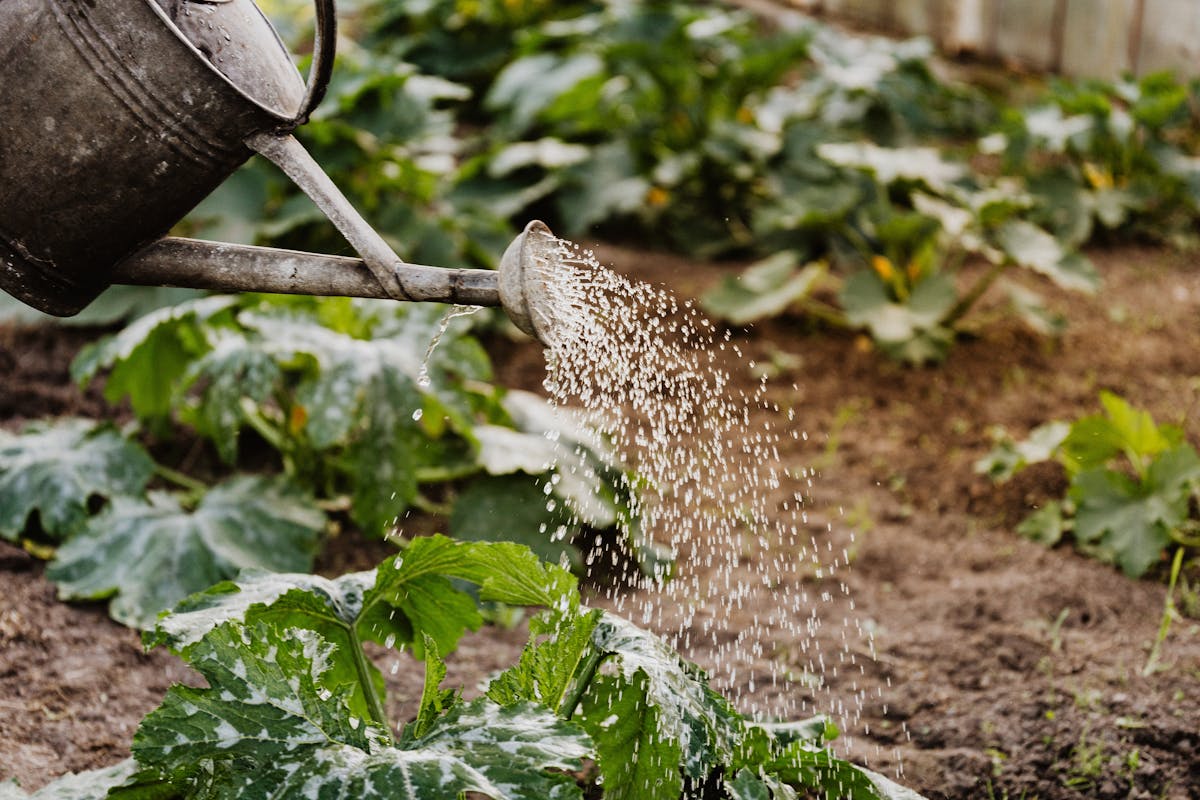
This is probably the single most important long-term strategy. Overwatering is the fungus gnat's best friend. Their larvae need consistently moist soil to survive and develop.
- My Approach: I've trained myself to let the top inch or two of potting mix dry out completely between waterings. For my heirloom tomato seedlings, like 'Brandywine' or 'San Marzano', this is critical. I've found that using a chopstick or my finger to check the moisture level before I even think about grabbing the watering can is far more effective than just watering on a schedule. When I first started, I drowned many a 'Costoluto Genovese' seedling due to overzealous watering, and the gnats loved me for it!
- Why it Works in the UK: Our British weather can be unpredictable, sometimes damp, sometimes surprisingly sunny. Letting the soil dry out is especially important when light levels are lower, as evaporation is slower. This simple change starves the gnat larvae.
Ensure Excellent Airflow and Ventilation
Good air circulation is vital for drying out the soil surface and discouraging stagnant, humid conditions that gnats adore.
- My Setup: In my greenhouse, I've got a small oscillating fan running on a timer for a few hours a day, especially during seed-starting season. Even indoors, a gentle breeze from an open window (weather permitting!) or a small desk fan pointed away from the seedlings can make a huge difference. I've seen firsthand how a lack of airflow can turn a minor gnat issue into a full-blown invasion with my herb seedlings.
- Why it Works in the UK: Our often humid climate, especially in a closed greenhouse or propagator, makes good ventilation paramount. It helps prevent both fungus gnats and dreaded damping-off disease.
Store Potting Mix Properly
This is a lesson I learned the hard way! An open bag of potting mix is an open invitation for gnats to lay eggs.
- My Mistake: One year, I left a half-used bag of my favourite peat-free multi-purpose compost in the corner of the shed. When I went to use it for a batch of 'Patio Baby' aubergine seedlings, it was crawling with gnat larvae! Never again.
- My Solution: Now, I always keep my potting mix in sealed containers or tightly rolled-down bags. If I'm worried, I'll even solarize a small batch by spreading it thinly on a tray and leaving it in the sun for a few hours before use (if we get any sun, that is!).
Quarantine New Plants
Any new plants brought into your home or greenhouse could be carrying hitchhikers, including fungus gnats.
- My Habit: Whenever I buy a new houseplant or a tray of plugs from the garden centre, it goes into a "quarantine zone" for a week or two. I’ll keep it separate from my precious seedlings and check it daily for signs of pests. This has saved my existing plants from countless potential outbreaks.
- Why it's Important: It prevents imported pests from contaminating your carefully cultivated gnat-free environment.
Regular Inspection and Vigilance
The best defence is a good offence, and that means being observant.
- My Routine: Every morning, when I'm checking my seedlings – admiring their growth, misting them, or just generally fussing over them – I'm also looking for signs of trouble. A few adult gnats, a wilting seedling, or unusual growth. The yellow sticky traps help, but nothing beats a good, old-fashioned visual inspection. Early detection is key to preventing a small problem from becoming a big headache.
6. Say Goodbye to Fungus Gnats: Nurturing Strong Seedlings from the Start
Well, there you have it, folks! From understanding these tiny nuisances to preventing their arrival, spotting them early, and then kicking them out with organic solutions, we've covered the full journey of dealing with fungus gnats in your seed-starting trays. It's a journey I've walked many times here in my UK garden, and I've learned that a little knowledge and consistent effort go a very long way.
Don't let these little buzzing pests dampen your enthusiasm for growing your own food or beautiful flowers. Every year, as I sow my 'Moneymaker' tomato seeds or my favourite 'Mammoth Melting Sugar' snap peas, I know that a healthy start means a strong, productive plant later in the season. These initial weeks are absolutely crucial for establishing robust roots and vigorous growth, and fungus gnats are the last thing you want interfering with that process.
Remember the key takeaways:
- Prevention is Paramount: Choose the right potting mix, don't overwater, ensure good ventilation from day one.
- Be a Detective: Keep an eye out for adult gnats and any signs of struggling seedlings. Those sticky traps are your friends!
- Act Decisively: If you do get an infestation, deploy those effective organic solutions like nematodes or BTI, tailored to your UK growing conditions.
- Stay Vigilant: Make good watering habits and airflow a permanent part of your routine.
Gardening, especially here in Britain with our wonderfully unpredictable climate, is all about learning and adapting. I've had my share of setbacks – trust me, those early days were a steep learning curve! But every challenge, like a gnat infestation, has taught me something valuable that I can now share with you.
So, go forth and start those seeds with confidence! Nurture those tiny greens into strong, healthy plants ready for your UK garden. You've got this. Happy growing, and may your seedling trays be forever gnat-free!