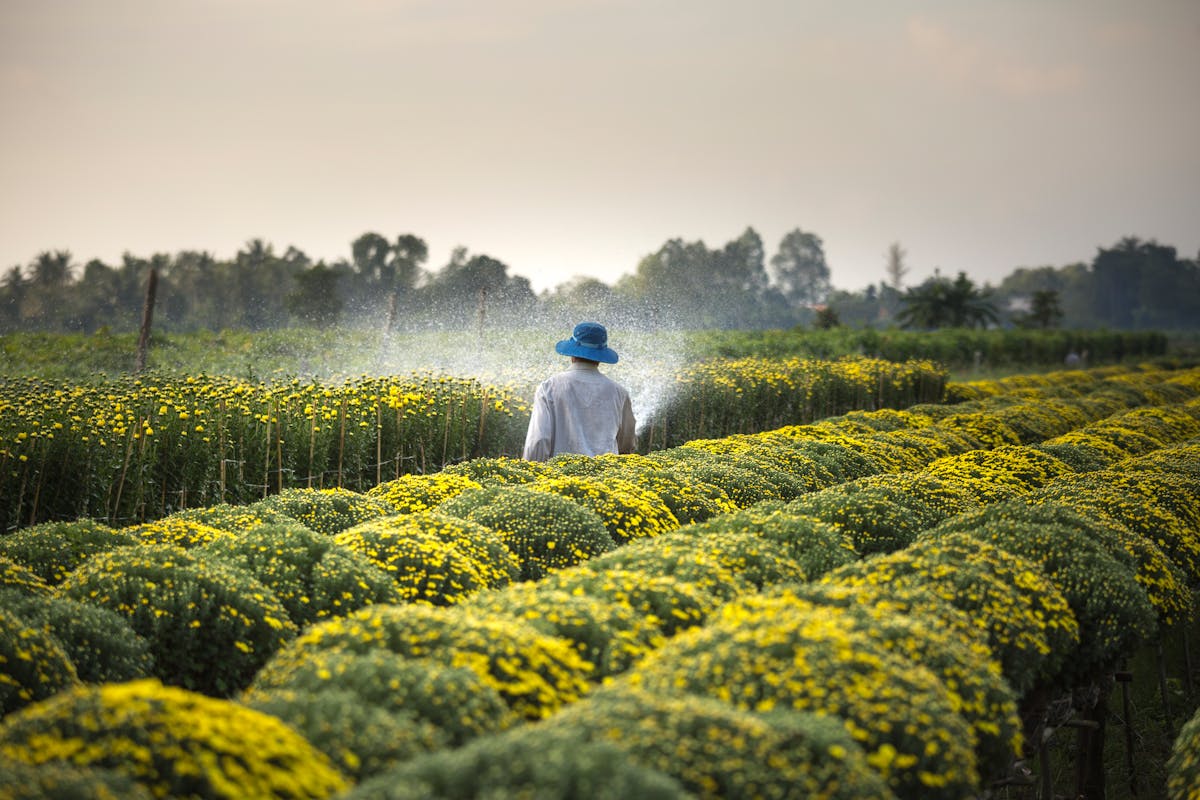
Chemical pesticides harm beneficial insects, pollute the environment, and can leave residues on your food. Natural pest control methods offer effective alternatives that work with nature rather than against it.
Understanding Integrated Pest Management (IPM)
IPM is a holistic approach to pest control that emphasizes prevention and uses multiple strategies:
- Prevention: Create healthy growing conditions
- Monitoring: Regularly inspect plants for problems
- Identification: Correctly identify pests before acting
- Action Thresholds: Tolerate minor pest presence
- Control: Use least-toxic methods first
Beneficial Insects: Your Garden Allies
Many insects are garden helpers, preying on pests and pollinating flowers.
Top Beneficial Insects
| Beneficial Insect | Preys On | How to Attract |
|---|---|---|
| Ladybugs | Aphids, mites, scale | Dill, fennel, yarrow, dandelions |
| Lacewings | Aphids, caterpillars, mealybugs | Angelica, coriander, dill |
| Parasitic Wasps | Caterpillars, aphids, whiteflies | Small-flowered plants, herbs |
| Ground Beetles | Slugs, snails, cutworms | Permanent mulch, perennial borders |
| Hoverflies | Aphids, thrips | Alyssum, marigolds, herbs |
| Praying Mantis | Wide variety of insects | Tall grasses, shrubs |
| Assassin Bugs | Caterpillars, beetles, aphids | Permanent plantings, mulch |
Creating a Beneficial Insect Habitat
- Plant diverse flowering plants
- Provide water sources (shallow dishes with stones)
- Avoid broad-spectrum pesticides
- Leave some areas undisturbed
- Plant native flowers
- Maintain year-round blooms
Companion Planting for Pest Control
Strategic plant combinations naturally repel pests and attract beneficials.
Effective Companion Planting Combinations
| Main Crop | Companion Plant | Pest Deterred | Mechanism |
|---|---|---|---|
| Tomatoes | Basil | Aphids, whiteflies | Aromatic oils |
| Cabbage | Thyme | Cabbage moths | Strong scent |
| Carrots | Onions | Carrot flies | Scent confusion |
| Roses | Garlic | Aphids, beetles | Sulfur compounds |
| Beans | Marigolds | Mexican bean beetles | Root exudates |
| Cucumbers | Nasturtiums | Aphids, beetles | Trap crop |
| Corn | Tansy | Ants, beetles | Strong aroma |
| Squash | Radishes | Squash bugs | Trap crop |
Pest-Repelling Plants
| Plant | Pests Repelled | Best Placement |
|---|---|---|
| Marigolds | Aphids, mosquitoes, nematodes | Throughout garden |
| Lavender | Moths, fleas, flies | Garden borders |
| Chrysanthemums | Roaches, ants, ticks | Near entrances |
| Mint | Ants, aphids, mice | Containers (invasive) |
| Rosemary | Mosquitoes, cabbage moths | Near vegetables |
| Catnip | Mosquitoes, aphids | Garden edges |
| Petunias | Aphids, beetles, leafhoppers | Near vegetables |
Physical Barriers and Traps
Barrier Methods
| Method | Effective Against | Application |
|---|---|---|
| Row Covers | Flying insects, birds | Drape over crops, secure edges |
| Copper Tape | Slugs, snails | Around pots, raised beds |
| Collars | Cutworms | Around seedling stems |
| Netting | Birds, butterflies | Over fruit, brassicas |
| Mulch | Weeds, some insects | 2-3 inch layer around plants |
Trap Methods
Yellow Sticky Traps: Attract whiteflies, aphids, fungus gnats
Beer Traps: Lure and drown slugs and snails
Pheromone Traps: Attract specific pests like codling moths
Light Traps: Attract and capture night-flying insects
Homemade Organic Pest Sprays
Recipe Comparison
| Spray Type | Target Pests | Active Ingredient | Frequency |
|---|---|---|---|
| Neem Oil | Aphids, mites, whiteflies | Azadirachtin | Weekly |
| Insecticidal Soap | Soft-bodied insects | Fatty acids | Every 3-5 days |
| Garlic Spray | Aphids, beetles, caterpillars | Sulfur compounds | Weekly |
| Hot Pepper Spray | Mammals, some insects | Capsaicin | After rain |
| Diatomaceous Earth | Crawling insects | Silica | After rain or dew |
Neem Oil Spray Recipe
Ingredients:
- 2 teaspoons neem oil
- 1 teaspoon mild liquid soap
- 1 quart warm water
Instructions:
- Mix soap and water thoroughly
- Add neem oil and shake well
- Spray on affected plants in early morning or evening
- Reapply every 7-14 days
Garlic-Pepper Spray Recipe
Ingredients:
- 1 bulb garlic, minced
- 2 hot peppers, chopped
- 2 cups water
- 1 teaspoon liquid soap
Instructions:
- Blend garlic and peppers with water
- Let steep for 24 hours
- Strain through cheesecloth
- Add soap and mix
- Dilute 1:4 with water before spraying
Common Garden Pests and Natural Solutions
Aphids
Identification: Small, soft-bodied insects in clusters
Damage: Suck plant sap, spread disease
Solutions:
- Spray with strong water stream
- Apply insecticidal soap
- Release ladybugs
- Plant nasturtiums as trap crop
Slugs and Snails
Identification: Slimy mollusks, active at night
Damage: Irregular holes in leaves
Solutions:
- Hand-pick at night
- Set beer traps
- Apply diatomaceous earth
- Use copper barriers
- Encourage ground beetles
Caterpillars
Identification: Larvae of moths and butterflies
Damage: Chewed leaves, holes in fruit
Solutions:
- Hand-pick when visible
- Apply Bacillus thuringiensis (Bt)
- Use row covers
- Attract parasitic wasps
- Plant dill and fennel for beneficial insects
Whiteflies
Identification: Tiny white flying insects
Damage: Suck sap, spread disease
Solutions:
- Use yellow sticky traps
- Spray with neem oil
- Release lacewings
- Vacuum adults off plants
- Remove heavily infested leaves
Spider Mites
Identification: Tiny red/brown dots, fine webbing
Damage: Stippled, yellowing leaves
Solutions:
- Increase humidity
- Spray with water regularly
- Apply neem oil
- Release predatory mites
- Remove affected leaves
Cultural Practices for Pest Prevention
Soil Health
Healthy soil produces strong plants that resist pests:
- Add compost regularly
- Maintain proper pH
- Ensure good drainage
- Rotate crops annually
Proper Spacing
Adequate spacing improves air circulation and reduces disease:
| Plant Type | Recommended Spacing |
|---|---|
| Tomatoes | 24-36 inches |
| Peppers | 18-24 inches |
| Lettuce | 6-8 inches |
| Squash | 36-48 inches |
| Beans | 3-6 inches |
Watering Practices
- Water at soil level, not overhead
- Water in morning to allow foliage to dry
- Avoid overwatering (attracts fungus gnats)
- Use drip irrigation when possible
Sanitation
- Remove diseased plants immediately
- Clean up fallen fruit and debris
- Sterilize tools between plants
- Rotate crops to break pest cycles
- Compost only healthy plant material
Seasonal Pest Management
Spring
- Apply dormant oil to fruit trees
- Set up slug barriers
- Install row covers on brassicas
- Monitor for aphids on new growth
Summer
- Check for caterpillars weekly
- Maintain beneficial insect habitat
- Hand-pick beetles daily
- Apply neem oil as needed
Fall
- Remove crop debris promptly
- Till soil to expose overwintering pests
- Apply dormant oil to fruit trees
- Clean and store row covers
Winter
- Plan next year's companion plantings
- Order beneficial insects
- Clean and sharpen tools
- Review pest problems and solutions
Organic Pest Control Products
Commercial Options Comparison
| Product | Active Ingredient | Target Pests | Organic Certified |
|---|---|---|---|
| Neem Oil | Azadirachtin | Broad spectrum | Yes |
| Bt (Bacillus thuringiensis) | Bacteria | Caterpillars | Yes |
| Spinosad | Soil bacteria | Caterpillars, beetles | Yes |
| Pyrethrin | Chrysanthemum extract | Broad spectrum | Yes |
| Insecticidal Soap | Potassium salts | Soft-bodied insects | Yes |
| Horticultural Oil | Refined petroleum | Scale, mites | Yes |
Monitoring and Record Keeping
Track pest problems to identify patterns:
- Note pest types and severity
- Record weather conditions
- Document control methods used
- Track effectiveness of treatments
- Plan improvements for next season
When to Tolerate Pests
Not every pest requires intervention:
- A few aphids won't harm established plants
- Some leaf damage is cosmetic only
- Beneficial insects need some pests to survive
- Perfect plants aren't necessary for good harvests
Action Thresholds: Intervene when:
- More than 10% of plant is damaged
- Pests are spreading rapidly
- Young seedlings are at risk
- Fruit or flowers are being damaged
Natural pest control requires patience and observation, but the rewards are worth it: a healthy ecosystem, safe food, and the satisfaction of working with nature. Start with prevention, encourage beneficial insects, and use the gentlest methods first for a thriving organic garden.