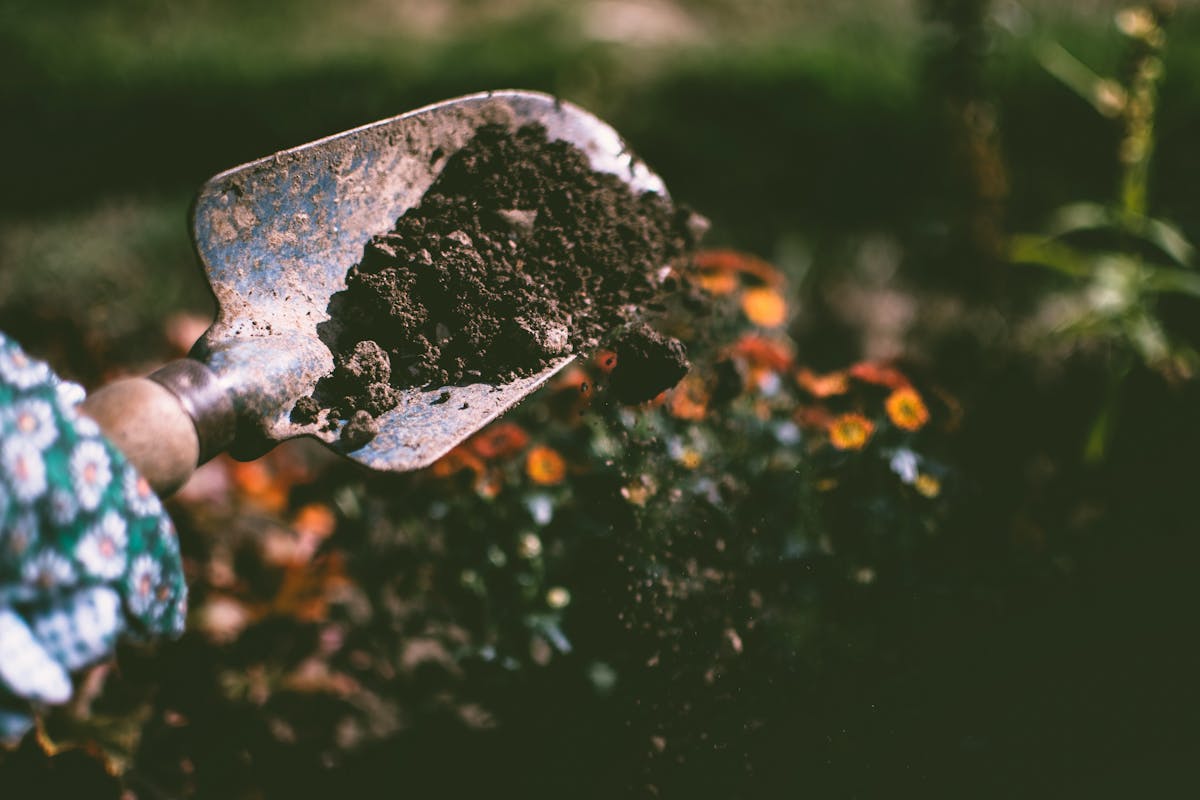
Unlocking the secret to endless plants from just one is one of gardening's most rewarding experiences. Imagine replicating that prized heirloom rose, multiplying your favorite fragrant herb, or sharing a unique shrub with a friend—all without spending a dime. Propagating plants from cuttings is a simple yet magical technique that allows you to do just that, transforming a small piece of a parent plant into a brand new, genetically identical individual. It's a sustainable, cost-effective, and deeply satisfying way to expand your garden, preserve cherished varieties, and deepen your connection with the botanical world. Get ready to embark on a journey that will forever change the way you think about growing your garden, turning a single plant into a thriving green empire.
Introduction: Why Propagate from Cuttings?
Propagating plants from cuttings offers a wealth of benefits that extend far beyond simply getting "free" plants. While cost savings are certainly a major draw, this method of asexual reproduction provides unique advantages that grafting, air layering, or seed propagation cannot always match.
Here's why mastering cuttings is a game-changer for any home gardener:
- Cost-Effectiveness: This is perhaps the most immediate and obvious benefit. Instead of buying new plants, you can multiply your existing ones or those from a friend's garden at virtually no cost, saving significant money over time, especially for larger landscaping projects or extensive herb gardens.
- Preserving Desired Traits: Cuttings create clones, meaning the new plant is genetically identical to the parent. This is crucial for preserving specific characteristics like flower color, fruit flavor, disease resistance, or growth habit that might not come true from seed (especially with hybrids). If you have a plant you absolutely adore, cuttings are the surest way to replicate it perfectly.
- Sharing and Community: Cuttings are a fantastic way to share your favorite plants with friends, family, and fellow gardeners. It fosters a sense of community and allows you to swap unique varieties, expanding everyone's garden horizons.
- Faster Maturity: Plants grown from cuttings often mature and flower or fruit much faster than those grown from seed, as they are essentially starting with a more developed genetic blueprint. This means you can enjoy the fruits (or flowers) of your labor sooner.
- Rescuing and Renewing Plants: If a beloved plant is looking leggy, overgrown, or is at risk due to disease or an impending move, taking cuttings can be a lifeline, ensuring its lineage continues even if the parent plant struggles. It's also a great way to "prune with purpose," turning trimmings into new plants.
- Understanding Plant Biology: The process of taking and rooting cuttings provides an invaluable hands-on lesson in plant anatomy, physiology, and the incredible resilience of botanical life. It deepens your understanding and appreciation for how plants grow and reproduce.
- Access to Rare or Unavailable Varieties: Sometimes, the plants you desire are not readily available in nurseries or are difficult to find as seeds. If you can obtain a cutting from such a plant, you have the power to propagate it yourself.
This comprehensive guide will equip you with all the knowledge and practical steps you need to successfully propagate a wide array of herbs and shrubs using cuttings. From selecting the right tools and understanding different cutting types to the step-by-step process of preparing and caring for your new plantlets, you'll gain the confidence to turn tiny snippets into thriving garden additions.
Essential Tools and Materials for Success
While propagating from cuttings can seem daunting at first, the actual tools and materials required are often simple and readily available. Investing in a few key items will significantly increase your success rate and make the entire process more enjoyable.
Here's a breakdown of what you'll need:
1. Sharp, Sterilized Pruning Shears or Knife:
- Why it's essential: Clean, sharp cuts minimize damage to the parent plant and the cutting, preventing crushing of vascular tissues and promoting faster healing. Sterilization prevents the transfer of diseases between plants.
- Recommendation: Bypass pruners are ideal for most soft stems. A sharp utility knife or razor blade works well for smaller, herbaceous cuttings. Always wipe blades with rubbing alcohol (70% isopropyl alcohol) or a 10% bleach solution before and after each use, and between different parent plants.
2. Rooting Hormone:
- Why it's essential: While some plants root easily without it, rooting hormone significantly increases the chances of success for many species, especially woody ones. It contains auxins, plant hormones that stimulate root development.
- Types:
- Powder: Most common and easiest to use. Simply dip the cut end into the powder.
- Liquid: Often diluted with water. Cuttings are dipped or soaked.
- Gel: Adheres well to the cutting, offering good coverage and protection.
- Recommendation: Start with a powdered rooting hormone, which is versatile and effective for most applications. Look for products containing Indole-3-butyric acid (IBA) or Naphthaleneacetic acid (NAA). Natural alternatives like willow water or honey can also be explored, though they may be less potent.
3. Rooting Medium:
- Why it's essential: Provides support, moisture, and aeration for the developing roots. The ideal medium is sterile, well-draining, and holds moisture without becoming waterlogged.
- Recommendation: A soilless mix is generally preferred to avoid soil-borne pathogens. See the comparison table below for options.
4. Small Pots, Trays, or Cell Packs:
- Why it's essential: To hold the rooting medium and cuttings. They should have drainage holes to prevent waterlogging.
- Recommendation: Use pots 2-4 inches in diameter for individual cuttings, or propagation trays with individual cells for multiple cuttings. Re-purposed plastic containers can work, but ensure they are thoroughly cleaned and have drainage.
5. Humidity Dome or Plastic Bag:
- Why it's essential: Cuttings lack roots and cannot absorb water efficiently. A humid environment reduces transpiration (water loss from leaves), preventing wilting and allowing the cutting to focus its energy on root development.
- Recommendation: A clear plastic dome over a propagation tray, or simply a clear plastic bag tented over individual pots, will create the necessary humidity. Ensure it doesn't touch the leaves directly, as this can promote fungal growth.
6. Mister or Spray Bottle:
- Why it's essential: For gently watering and maintaining humidity within the dome or bag, especially if you need to air out the cuttings periodically.
- Recommendation: Any fine mist spray bottle will do.
7. Labels and Permanent Marker:
- Why it's essential: Crucial for remembering what you've planted, the date taken, and any specific notes. Trust us, you will forget!
- Recommendation: Plastic plant labels are durable. A waterproof, fade-resistant marker is a must.
8. Optional but Highly Recommended:
- Heating Mat: Provides gentle bottom heat, which can significantly speed up root development, especially for slower-rooting plants or in cooler environments.
- Grow Lights: If natural light is insufficient, supplemental lighting ensures the cuttings continue to photosynthesize and remain healthy while rooting.
- Perlite/Vermiculite: Excellent for amending potting mixes to improve drainage and aeration.
Comparison Table: Rooting Mediums
| Rooting Medium Type | Description
5. Post-Planting Care: Nurturing Your New Plants
Congratulations! You've successfully prepared and planted your cuttings. Now comes the crucial phase of nurturing them into strong, independent plants. Patience and consistent care are your best allies during this period.
Creating the Ideal Microclimate: Humidity and Temperature
The most critical factor for successful rooting is maintaining high humidity around your cuttings. Since they don't have roots to absorb water, they rely on a humid environment to prevent desiccation.
- Humidity Domes: If you're not using a specialized propagation tray with a dome, you can easily create one. A clear plastic bag (supported by stakes so it doesn't touch the leaves), an inverted clear plastic container, or even a glass cloche can serve this purpose. Ensure the dome is large enough not to press against the foliage.
- Ventilation: While high humidity is essential, some air circulation is also important to prevent fungal diseases. Aim to lift the dome or open the bag for 15-30 minutes once a day to allow for air exchange. This also gives you a chance to check on your cuttings.
- Temperature: Most cuttings root best in warm, stable temperatures, typically between 65-75°F (18-24°C). If your home is cooler, a seedling heat mat placed under your propagation tray can significantly speed up the rooting process by providing gentle bottom heat.
Light and Watering: The Daily Essentials
- Light Requirements: Place your propagation tray in a location that receives bright, indirect light. A north-facing window, a shaded spot near a bright window, or under grow lights are ideal. Avoid direct, intense sunlight, especially during the hottest parts of the day, as this can scorch the tender leaves and dry out the medium rapidly.
- Watering: The rooting medium should remain consistently moist, but never waterlogged. Overwatering is a common killer of cuttings, leading to rot.
- Check Moisture: Gently feel the top layer of the medium. If it feels dry to the touch, it's time to water.
- Method: Water from the bottom by placing the tray in a shallow pan of water for 15-20 minutes, allowing the medium to wick up moisture. Alternatively, use a fine mist sprayer or a gentle watering can to water from the top, being careful not to dislodge the cuttings.
- Frequency: Depending on your environment and medium, you might need to water every few days to once a week. The humidity dome will help reduce watering frequency.
Signs of Rooting and Hardening Off
- Patience is Key: Rooting can take anywhere from a few weeks to several months, depending on the plant species and conditions. Don't be tempted to pull up cuttings to check for roots, as this can damage delicate new growth.
- Visible Signs: The first sign of successful rooting is usually new leaf growth at the tips or along the stem. The plant will also start to look more vibrant and less prone to wilting. You might also feel slight resistance if you gently tug on a cutting, indicating roots have anchored it.
- Hardening Off: Once your cuttings have developed a robust root system (usually 1-2 inches long, visible through clear pots or when carefully unpotted), they need to be gradually acclimated to normal environmental conditions before transplanting. This process is called "hardening off."
- Step 1 (Ventilation): Start by increasing the ventilation under the humidity dome. Open it for longer periods each day over 3-5 days.
- Step 2 (Remove Dome): After a few days, remove the humidity dome completely during the day, replacing it only at night.
- Step 3 (Full Exposure): After a week, remove the dome entirely. Your cuttings are now ready to face the world outside their humid haven.
Transplanting Your Rooted Cuttings
Once hardened off and showing strong root development, your new plants are ready for their own individual pots.
- Pot Size: Choose small pots (2-4 inches) with drainage holes. Avoid oversized pots, which can hold too much moisture and lead to root rot.
- Potting Mix: Use a good quality, well-draining potting mix specifically formulated for seedlings or general houseplants.
- Gentle Handling: Carefully remove the rooted cutting from its propagation tray. If it's in a cell pack, gently squeeze the bottom. If in an open tray, use a trowel or spoon to lift it, minimizing disturbance to the fragile root ball.
- Planting: Create a small hole in the new potting mix. Gently place the cutting, ensuring the roots are spread out and not cramped. Backfill with soil, lightly firming it around the base of the stem.
- Initial Care: Water thoroughly after transplanting. Keep the newly potted plants in a slightly shadier spot for a few days to help them recover from transplant shock, then gradually move them to their permanent location. Resist the urge to fertilize immediately; wait a few weeks until they show signs of active growth.
6. Troubleshooting Common Cuttings Challenges
Even with the best intentions, propagating cuttings can sometimes present challenges. Don't get discouraged! Understanding common issues and how to address them will significantly increase your success rate. Here's a guide to help you diagnose and remedy problems:
Common Issues and Solutions
| Problem | Symptoms | Common Causes | Solutions |
|---|---|---|---|
| No Rooting / Slow Rooting | Cuttings remain unchanged for weeks, no new growth, no resistance when gently tugged. | Insufficient warmth, low humidity, inappropriate rooting medium, wrong type of cutting for the plant, lack of rooting hormone. | Ensure ambient temperature is 65-75°F (18-24°C), use a heat mat if needed. Maintain high humidity with a dome. Use a sterile, well-draining medium. Re-evaluate if the cutting type (softwood, semi-hardwood, hardwood) is appropriate for the species and season. Apply rooting hormone if not already used. |
| Wilting / Drooping | Leaves sag, stems lose turgidity, plant looks dehydrated. | Dehydration (low humidity, dry medium), excessive direct sun, transplant shock (if recently moved). | Increase humidity with a dome and misting. Ensure rooting medium is consistently moist but not waterlogged. Move cuttings to bright, indirect light. If recently transplanted, provide a few days in a shadier spot. |
| Rotting (Stem or Base) | Stems turn dark, soft, mushy, often accompanied by an unpleasant odor. Fungus may be visible. | Overwatering, poor drainage, fungal infection, unsterilized tools/medium, insufficient air circulation. | Reduce watering frequency, ensure excellent drainage (add perlite/sand to medium if too dense). Use sterile medium and clean tools. Improve air circulation by ventilating the dome daily. Remove affected cuttings immediately to prevent spread. Fungicides may be a last resort. |
| Yellowing Leaves | Leaves turn yellow, may drop off prematurely. | Overwatering, nutrient deficiency (less common for new cuttings), stress, too much direct sun. | Check watering schedule – yellowing can be a sign of both too much or too little water, but for cuttings, overwatering is more common. Ensure good drainage. For rooted cuttings, consider a very diluted liquid fertilizer after new growth establishes. Move to indirect light. |
| Mold / Fungus Growth | White fuzzy patches on the rooting medium, stems, or leaves. Damp, musty smell. | High humidity with poor air circulation, contaminated medium, excessive moisture on foliage. | Increase daily ventilation (lift dome longer). Ensure medium is not overly wet. Remove affected leaves/stems if minor. If severe, it may be necessary to discard and restart with sterile conditions. |
| Pest Infestation | Visible insects (e.g., fungus gnats, aphids), sticky residue, distorted growth, tiny holes. | Contaminated soil, open propagation setup, bringing in infested plants. | Isolate affected cuttings. For fungus gnats (small black flies hovering around the soil), allow the top layer of soil to dry out, use sticky traps, or beneficial nematodes. For other pests like aphids, gently wipe them off or use a very diluted insecticidal soap spray (test on one leaf first). |
Remember, observation is key. Check your cuttings daily for any changes and address issues promptly. Often, a small adjustment in your care routine can make all the difference.
7. Popular Herbs and Shrubs to Propagate from Cuttings
The world of plants you can propagate from cuttings is vast and exciting! Here are some beloved herbs and shrubs that are particularly rewarding for home gardeners to multiply, offering you an endless supply of your favorites.
Herbs: Your Kitchen Garden's Best Friends
Herbs are generally very forgiving and often root quickly, making them excellent choices for beginners.
- Rosemary (Rosmarinus officinalis): Semi-hardwood cuttings are ideal. Take 4-6 inch sections from the current year's growth in late spring or early summer.
- Mint (Mentha spp.): One of the easiest! Softwood cuttings root rapidly in water or soil. Take 4-inch sections anytime during the growing season.
- Basil (Ocimum basilicum): Another quick rooter. Softwood cuttings taken from non-flowering stems will root in water or soil within 1-2 weeks.
- Sage (Salvia officinalis): Semi-hardwood cuttings taken in spring or early summer work best. Look for healthy, non-flowering stems.
- Lavender (Lavandula spp.): Softwood or semi-hardwood cuttings are suitable. Take 3-4 inch sections from new growth in late spring/early summer.
- Thyme (Thymus vulgaris): Small softwood cuttings (2-3 inches) taken in spring or early summer are good candidates.
- Oregano (Origanum vulgare): Similar to mint, softwood cuttings root easily in water or moist soil.
Shrubs: Expanding Your Landscape for Free
Propagating shrubs can transform your garden without breaking the bank. Many ornamental shrubs take well to cuttings.
- Hydrangea (Hydrangea macrophylla, H. paniculata): Softwood cuttings taken in late spring or early summer are highly successful. Look for non-flowering stems.
- Boxwood (Buxus sempervirens): Semi-hardwood cuttings taken in late summer or early fall work well for these classic evergreens.
- Forsythia (Forsythia spp.): Softwood or semi-hardwood cuttings taken after the plant finishes flowering in spring are excellent propagators.
- Weigela (Weigela florida): Softwood cuttings taken in late spring or early summer root readily.
- Spirea (Spiraea spp.): Softwood cuttings taken in spring or early summer are usually quite successful.
- Roses (Rosa spp.): Semi-hardwood cuttings taken from current season's growth in late summer or early fall are a popular method for multiplying your favorite rose varieties.
- Azaleas and Rhododendrons (Rhododendron spp.): Semi-hardwood cuttings, often taken in late summer after the flush of new growth has hardened slightly, can be propagated, though they may take longer to root.
 (https://example.com/rooted_cuttings_collage.jpg)
This list is just a starting point! Many other plants, from houseplants like Philodendrons and Pothos to fruit-bearing plants like figs and currants, can also be propagated from cuttings. The key is to experiment, observe, and learn what works best for your specific plants and environment.
Conclusion: Unleash Your Inner Propagator
You've journeyed through the fascinating world of plant propagation from cuttings, from selecting the right tools and understanding different cutting types to the intricate dance of post-planting care and troubleshooting. What might have once seemed like a daunting task is now, we hope, a clear and achievable goal.
Mastering cuttings isn't just about growing new plants; it's about unlocking a deeper connection with your garden. Imagine expanding your favorite rosemary bush, sharing a piece of a cherished hydrangea with a friend, or filling your herb garden without ever buying another plant. This skill empowers you to create abundance, save money, and truly become a steward of your green space.
The beauty of propagation lies in its simplicity and the sheer satisfaction it brings. There will be successes, and perhaps a few learning opportunities (we don't call them failures in gardening!). Each attempt teaches you more about your plants, their needs, and the subtle art of nurturing life.
So, gather your tools, choose your favorite plant, and take that first confident snip. The rewards of mastering cuttings are bountiful, offering not just free plants, but a profound sense of accomplishment and a perpetually expanding garden. Happy propagating!