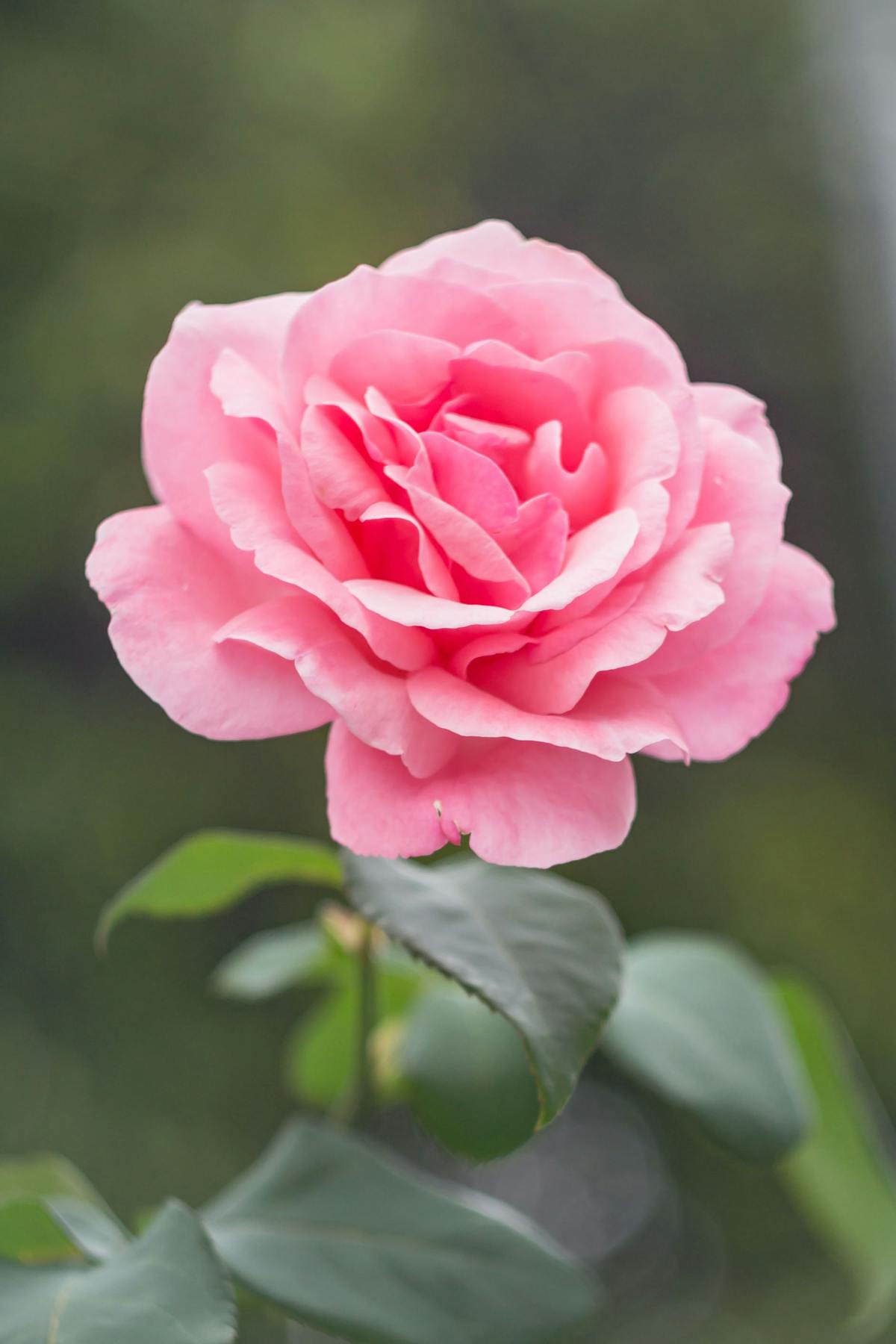
Roses are synonymous with British gardens - and for good reason. Our temperate maritime climate, with its mild temperatures and ample rainfall, provides near-ideal conditions for growing the world's most beloved flowering shrub. From David Austin's English roses bred in Shropshire to historic varieties that have graced British gardens for centuries, roses feel utterly at home in our landscape.
However, that same dampness that suits roses also encourages their nemesis: fungal diseases, particularly blackspot and rust. Success with roses in Britain requires understanding both the advantages our climate offers and the specific challenges it presents. This comprehensive guide draws on generations of British rose-growing wisdom, providing practical strategies for selecting, planting, and maintaining beautiful, healthy roses in UK gardens.
Why Britain is Rose Paradise
Before addressing challenges, let's appreciate our advantages. Britain is genuinely one of the world's best places to grow roses.
Climate Advantages
Mild Winters: Unlike continental Europe or northern North America, British winters rarely bring the severe cold that kills rose roots. In much of southern Britain, roses never truly go dormant, and we can work with them year-round.
Cool Summers: Roses evolved in temperate climates. They thrive in British summers (18-25°C), whereas hotter climates stress them. Roses in southern France or California struggle with 35°C+ heat; ours flourish in our "disappointing" 22°C July days.
Abundant Moisture: Roses need consistent moisture for lush growth and prolific flowering. British rainfall generally provides this without irrigation. Only during extended droughts (increasingly common but still exceptional) do established roses need watering.
Long Growing Season: Mild autumns mean roses often flower into November in southern regions. First blooms appear in May, last in November - six months of flowers.
British Rose Breeding Excellence
Britain has produced some of the world's finest rose breeders:
David Austin Roses: Albrighton, Shropshire. Created "English roses" combining old rose romance with repeat-flowering modern roses. Varieties like 'Gertrude Jekyll', 'Graham Thomas', and 'Lady Emma Hamilton' are international standards.
Harkness Roses: Hitchin, Hertfordshire. Bred over 300 varieties since 1879, including 'Compassion' (best-selling climbing rose in UK), 'Rosemoor', and disease-resistant varieties like 'Easy Elegance'.
Historic British Roses: From medieval Rosa mundi to Victorian tea roses, British gardens have long treasured roses. Many historic varieties still thrive in our climate.
These breeders understand British conditions intimately, developing varieties that excel here even if they struggle elsewhere.
Choosing Roses for British Gardens
With thousands of rose varieties available, choosing wisely prevents disappointment. Prioritise disease resistance and suitability to British conditions over pure appearance.
Rose Types and Their UK Suitability
Hybrid Tea (Large-Flowered Bush) Roses:
Classic exhibition blooms, one large flower per stem. Many are disease-prone in our damp climate.
Best UK Varieties:
- 'Royal William' (deep red, good disease resistance)
- 'Peace' (yellow/pink, very hardy)
- 'Ruby Wedding' (ruby red, reliable)
- 'Silver Jubilee' (coral-pink, disease-resistant)
Avoid: Many hybrid teas struggle with blackspot in British conditions. If choosing hybrid tea, disease resistance is essential.
Floribunda (Cluster-Flowered Bush) Roses:
Multiple flowers per stem, longer flowering period than hybrid teas. Generally hardier and more disease-resistant.
Best UK Varieties:
- 'Iceberg' (white, exceptionally disease-resistant, flowers profusely May-November)
- 'The Queen Elizabeth Rose' (pink, tall, very hardy)
- 'Remembrance' (red, excellent disease resistance)
- 'Arthur Bell' (yellow, very fragrant, reliable)
English/Shrub Roses:
David Austin's English roses and other shrub roses are particularly suited to British gardens. Bred for our conditions, they combine beauty with toughness.
Best UK Varieties:
- 'Gertrude Jekyll' (deep pink, exceptional fragrance, disease-resistant)
- 'Graham Thomas' (rich yellow, continuous flowering, healthy)
- 'Teasing Georgia' (soft yellow, good disease resistance)
- 'Lady Emma Hamilton' (orange, bronze-tinted foliage, disease-resistant)
- 'Munstead Wood' (crimson, superb fragrance, healthy)
- 'The Generous Gardener' (soft pink, vigorous climber/large shrub)
Climbing Roses:
Essential for vertical interest, covering walls, fences, arches. Choose varieties suited to British weather and your available space.
Best UK Varieties:
- 'Compassion' (salmon-pink, fragrant, disease-resistant, best-selling UK climber)
- 'New Dawn' (pale pink, very hardy, tolerates north walls)
- 'Albertine' (coppery-pink, vigorous, good for large spaces)
- 'Golden Showers' (bright yellow, continuous flowering, compact for small spaces)
- 'Warm Welcome' (miniature climber, orange-red, disease-resistant, ideal for small gardens)
Rambling Roses:
Very vigorous, single annual flowering (usually June-July), ideal for growing into trees, over pergolas, covering large structures.
Best UK Varieties:
- 'Rambling Rector' (white, scented, extremely vigorous)
- 'Paul's Himalayan Musk' (pale pink, incredibly vigorous - needs very large space)
- 'Seagull' (white, single flowers, less vigorous than above, more manageable)
Ground Cover Roses:
Low-growing, spreading roses for difficult areas, banks, or fronts of borders. Many are exceptionally disease-resistant.
Best UK Varieties:
- 'Flower Carpet' series (various colours, outstanding disease resistance)
- 'Surrey' (soft pink, tough and reliable)
- 'Grouse' (pale pink, covers banks effectively)
Species Roses:
Wild roses and near-species forms. Exceptionally hardy, disease-resistant, often single-flowering but producing beautiful hips for autumn interest.
Best UK Varieties:
- Rosa rugosa (magenta-pink, very disease-resistant, wonderful hips, salt-tolerant for coastal gardens)
- Rosa glauca (grown for blue-grey foliage and red stems as much as pink flowers)
- Rosa moyesii 'Geranium' (single red flowers, spectacular bottle-shaped hips)
Disease Resistance is Critical
In British damp, disease resistance trumps flower beauty. A rose that looks spectacular in catalogue but spends summer covered in blackspot is frustrating, not beautiful.
Look for Disease-Resistant Ratings:
- David Austin roses rate disease resistance (many score excellent)
- RHS Award of Garden Merit (AGM) indicates reliable UK performance
- Check reviews from British growers rather than international sources (climate matters)
Planting Roses in British Conditions
Timing and technique affect long-term success. Get planting right and roses reward you for decades.
When to Plant
Bare-Root Roses (Best Value, Better Establishment):
- Planting Season: November-March (while dormant)
- Best Time: November-December (roots establish before spring growth)
- Advantages: Cheaper than container-grown, wider variety selection, establish better
- Source: Specialist rose nurseries (David Austin, Peter Beales, Harkness)
Container-Grown Roses:
- Planting Season: Year-round, but ideally spring or autumn
- Best Time: March-May or September-October
- Advantages: See flowers before buying, immediate impact, garden centre availability
- Disadvantages: More expensive, smaller variety range, sometimes pot-bound
Site Selection
Sun Requirements: Minimum 4-6 hours direct sun daily. More is better. Roses tolerate light shade in hottest part of day (irrelevant most British summers!) but won't flower well in dense shade.
Air Circulation: Good airflow reduces fungal disease. Avoid planting too close to walls, fences, or other plants that trap humidity.
Soil Preferences:
- Slightly acidic to neutral (pH 6.0-7.0) - typical of much British soil
- Well-drained but moisture-retentive (sounds contradictory but achievable with organic matter)
- Deep soil (45cm+) - roses are deep-rooted
What to Avoid:
- Waterlogged Areas: Standing water rots roots. If drainage is poor, plant in raised beds or mounds
- Previous Rose Sites: Roses suffer "rose sickness" if planted where roses previously grew (toxin build-up in soil). Wait 2-3 years, or dig out and replace 45cm depth of soil
- Under Trees: Compete for moisture and light. Won't thrive.
Planting Technique
For Bare-Root Roses (November-March):
Soak Roots: Submerge in water 2-24 hours before planting (not longer - they'll drown)
Dig Generous Hole: 45cm wide, 45cm deep. Wider and deeper than root spread
Improve Soil: Mix excavated soil 50:50 with well-rotted compost or manure, plus handful of bonemeal (slow-release phosphorus for root development)
Create Mound: In hole base, create small mound of improved soil
Position Rose: Spread roots over mound. Ensure union (swollen graft point) is 2-3cm below final soil surface (important in British climate - prevents frost damage to graft union and reduces suckering)
Backfill: Add improved soil around roots, firming gently to eliminate air pockets. Water thoroughly to settle soil
Final Firming: Once water has drained, firm soil with foot (roses hate loose soil around roots)
Mulch: Apply 5-8cm mulch (well-rotted manure, compost, bark) around rose, keeping mulch away from stems (prevents rot)
For Container-Grown Roses:
Follow same process but:
- Remove from pot, gently tease out circling roots
- If root-bound, make 3-4 vertical cuts through root ball (encourages outward growth)
- Position so original soil surface is 2-3cm below final ground level
Spacing
Don't crowd roses. British dampness means good air circulation is critical.
Bush Roses: 45-60cm apart (closer for low-growing varieties, wider for vigorous shrubs)
English Roses: 90-120cm apart (these are large shrubs when mature)
Climbers: 2.5-3m apart (less if different varieties or very compact varieties)
Feeding and Maintenance Through the Year
Roses are hungry plants but don't require complicated feeding regimes.
Annual Feeding Schedule
Early Spring (March):
- Apply rose fertiliser or general purpose fertiliser (high in potassium for flower production)
- Granular feeds easiest: scatter around base following packet instructions (typically 100-150g per bush)
- Water in if no rain within 48 hours
Late Spring/Early Summer (May-June):
- Second feed after first flush of flowers (encourages repeat flowering)
- Liquid feeds (tomato food, rose food) can supplement or replace granular feed
- Continue fortnightly liquid feeding through summer if you're keen
Mid-Summer (July):
- Final feed of season
- Don't feed after July - soft autumn growth is vulnerable to frost damage
Autumn (October-November):
- Mulch with well-rotted manure or compost (5-8cm depth)
- This feeds soil organisms, improves structure, provides slow nutrient release
- Keep mulch away from stems
Watering
Established Roses (planted 1+ year): Only water during extended drought (3+ weeks without meaningful rain). Deep weekly soak (2-3cm) better than frequent sprinkles.
Newly Planted Roses (first growing season): Water weekly if rainfall is insufficient. Need consistent moisture to establish.
How to Water: At soil level, not overhead. Wet foliage in British dampness invites fungal disease.
Mulching Reduces Watering Need: 5-8cm organic mulch reduces evaporation significantly.
Pruning Roses: British Approach
Pruning intimidates many gardeners, but roses are forgiving. British pruning differs slightly from hot-climate advice due to our mild winters.
When to Prune
Main Pruning: March in most of UK (late February in southwest, early April in Scotland and northern England). Timing coincides with forsythia flowering - reliable indicator spring has arrived.
Why March? Early enough to shape plant before growth begins, late enough that hard frost won't damage fresh cuts.
Pruning Different Rose Types
Hybrid Tea and Floribunda Bush Roses:
Remove Dead/Diseased Wood: Cut back to clean, white pith. If centre is brown, cut lower until you reach healthy wood
Remove Weak/Spindly Growth: Anything thinner than pencil thickness won't produce good flowers
Remove Crossing/Rubbing Stems: Open up centre for airflow
Reduce Height:
- Hybrid Teas: Cut remaining healthy stems to 20-30cm from ground
- Floribundas: Cut to 30-45cm from ground (generally less severe than hybrid teas)
Cut to Outward-Facing Bud: Prune 5mm above bud that faces away from centre (encourages open growth)
Angled Cut: Slope cut away from bud (water runs off rather than sitting on bud)
English/Shrub Roses:
- Remove dead/diseased/crossing wood as above
- Reduce height by one-third
- Shape plant but maintain natural form
- Less severe pruning than hybrid teas
Climbing Roses:
- First 2-3 Years: Prune minimally - just tip-prune shoots, train main stems horizontally
- Established Climbers:
- Remove dead/diseased wood
- Cut back side-shoots (laterals) that flowered last year to 2-3 buds from main stems
- Occasionally remove one old main stem to ground, training young stem as replacement
- Don't over-prune climbers - they flower on older wood
Rambling Roses:
- Prune immediately after flowering (July-August, not spring)
- Cut flowered stems back to strong new growth
- Tie in new growth to replace old
Once-Flowering Species Roses:
- Minimal pruning needed
- Remove dead wood, shape lightly after flowering if necessary
- Don't prune in spring - you'll remove flower buds
Deadheading
Removing spent flowers encourages repeat flowering.
How: Cut stem just above first leaf with 5 leaflets (not 3). This maintains good stem length for next bloom.
When: Throughout flowering season. Stop deadheading late September onwards - allows hips to develop, which signal rose to slow growth for winter.
Hips for Winter Interest: If you want rose hips (species roses especially), stop deadheading after first flush. Hips follow flowers.
Managing Fungal Diseases in British Damp
British rose growing's biggest challenge: fungal diseases encouraged by our damp climate.
Blackspot (Diplocarpon rosae)
Symptoms: Black or purple-brown spots on leaves, yellowing around spots, premature leaf drop. Severe infections defoliate plants, weakening them significantly.
Why It Thrives in UK: Spores need water to germinate. British rain provides this abundantly. Warm, humid summers (15-25°C, 95%+ humidity) are perfect conditions.
Prevention:
- Choose Resistant Varieties: Single most important action. Susceptible varieties will get blackspot regardless of treatment. Resistant varieties may get light infection but cope well.
- Good Spacing: Airflow dries leaves faster after rain
- Mulch: Prevents soil splash carrying spores onto lower leaves
- Remove Fallen Leaves: Spores overwinter on fallen leaves. Collect and bin (don't compost)
- Avoid Overhead Watering: Water soil level only
Treatment:
- Organic Options:
- Spray systemic mycorrhizal fungi (SB Plant Invigorator) fortnightly - stimulates plant defenses
- Sulphur-based fungicides (approved for organic use)
- Chemical Options:
- Myclobutanil (Fungus Fighter) - systemic fungicide, 2-3 applications at 14-day intervals
- Tebuconazole (Provanto Fungus Fighter) - similar to above
- Start Spraying Early: Once blackspot appears, it's hard to eliminate. Preventative spraying from April onwards on susceptible varieties is more effective than reacting to infection
Reality Check: In British conditions, some blackspot is almost inevitable on susceptible varieties. Focus on varieties that cope well naturally rather than intensive spraying regimes.
Rust (Phragmidium species)
Symptoms: Orange pustules on leaf undersides, yellow patches on upper surfaces. Can be even more defoliating than blackspot.
More Common in: Dry summers oddly enough - stressed roses are more susceptible. Also thrives in crowded, humid conditions.
Prevention: As for blackspot - spacing, resistant varieties, good hygiene
Treatment:
- Fungicides for blackspot also treat rust
- Remove affected leaves promptly
- Sulphur-based products quite effective
Powdery Mildew (Podosphaera pannosa)
Symptoms: White powdery coating on leaves, stems, buds. Distorts growth, reduces flowering.
When It Appears: Dry conditions, ironically. Stressed roses are susceptible. Also common on roses against walls where airflow is poor.
Prevention:
- Good spacing and airflow
- Adequate watering (stressed roses susceptible)
- Don't plant too close to walls/fences
Treatment:
- Sulphur sprays
- Myclobutanil/tebuconazole as for blackspot
- Improve conditions (water if dry, prune to improve airflow)
Rose Rust, Black Spot, and Mildew - Integrated Approach
Rather than fighting diseases endlessly:
Select Resistant Varieties: Single most effective action. David Austin roses with "excellent disease resistance" rarely need spraying.
Cultural Practices: Spacing, airflow, hygiene, mulching reduce disease pressure without chemicals.
Tolerate Low Levels: Few blackspot spots don't significantly harm rose. Striving for perfect disease-free foliage may require spraying regime that's neither environmentally nor practically sustainable.
Targeted Treatment: If disease becomes problematic (severe defoliation, weakening plant), treat specifically affected roses rather than blanket-spraying everything.
Accept Some Seasons Are Worse: 2012's wet summer created epidemic fungal disease. 2018's hot, dry summer saw less blackspot but more mildew. We can't control British weather - some years will be challenging.
Creating Beautiful Rose Displays
Beyond individual rose health, creating effective rose displays enhances garden beauty.
Rose Planting Styles for UK Gardens
Formal Rose Beds:
- Traditional approach: beds of roses, perhaps with underplanting of lavender, catmint, or hardy geraniums
- Effective in larger gardens, formal settings
- Requires high maintenance to look good
- Best with floribundas or hybrid teas
Mixed Borders:
- Roses integrated with perennials, shrubs, bulbs
- More naturalistic, suits British cottage-garden style
- English roses excel here - blend beautifully with other plants
- Lower maintenance than formal beds (defects hidden by companions)
Rose + Companion Planting:
Roses benefit from companions that:
- Fill Gaps: Roses are leggy at base. Underplant with catmint (Nepeta), hardy geraniums, lavender, alliums
- Extend Season: Bulbs (tulips, alliums) flower early; roses take over May onwards
- Complementary Colours: Purple/blue companions (salvia, catmint, veronica) enhance pink roses. Yellow companions (lady's mantle, coreopsis) complement blue/purple roses
Climbers on Structures:
- Walls, fences, arches, pergolas, obelisks
- Essential for vertical interest in British gardens
- Choose appropriate vigour for space (rampant rambler on small fence = disaster)
Rose Combinations that Work in UK
Classic Combinations:
- Pink Rose + Purple Catmint: Soft pink David Austin rose ('Generous Gardener', 'Heritage') with Nepeta 'Six Hills Giant' - quintessential English garden
- White Rose + Lavender: White rose ('Iceberg', 'Winchester Cathedral') with lavender hedge - formal elegance
- Apricot Rose + Blue Salvia: Warm apricot rose ('Lady Emma Hamilton', 'Pat Austin') with Salvia nemorosa - sophisticated colour harmony
Climbing Rose + Clematis:
Train clematis through climbing rose - two plants, one space, extended flowering season:
- Choose compatible vigour (don't pair vigorous rambler with delicate clematis!)
- Timing: rose flowers May-October; late-flowering clematis (viticella types) July-September - overlap creates interest
- Pruning: Both prune spring, simplifying maintenance
Container-Growing Roses in UK Gardens
Perfect for patios, balconies, small gardens, or creating focal points.
Suitable Roses:
- Patio roses (compact floribundas)
- Miniature roses
- Compact English roses ('Young Lycidas', 'The Mayflower', 'Grace')
- Standard roses (rose grafted onto 1m stem - lollipop shape)
Container Requirements:
- Minimum 45cm diameter, 45cm deep (larger is better)
- Drainage holes essential
- Use soil-based compost (John Innes No.3) - roses dislike light, peat-based composts
Care Differs from Ground-Grown Roses:
- Water regularly (cannot access ground moisture) - check daily in summer
- Feed fortnightly with liquid rose/tomato food during growing season
- Repot every 2-3 years (or top-dress with fresh compost if pot-bound)
- Move to sheltered location in very hard frosts (roots vulnerable in pots)
Conclusion: Embracing British Rose Growing
British gardens and roses are perfect partnership. Our climate's challenges - persistent damp, cool temperatures, variable weather - are more than compensated by advantages: mild winters, long growing seasons, ample moisture, and a centuries-long tradition of rose breeding producing varieties superbly adapted to our conditions.
Success comes from:
- Choosing wisely: Disease resistance and UK suitability over pure beauty
- Planting properly: Good soil preparation, appropriate spacing, correct timing
- Maintaining appropriately: Regular feeding, annual pruning, sensible disease management
- Accepting limitations: Some fungal disease is inevitable. Choose resilient roses rather than fighting nature endlessly
- Celebrating success: Few sights match a British garden in June, roses at peak, companion plants in harmony, centuries of gardening wisdom manifested in bloom
Whether you're growing a single climbing rose on a cottage wall, creating formal rose beds in a larger garden, or integrating English roses into mixed borders, roses belong in British gardens. They've thrived here for centuries and will continue to do so for centuries more.
The rain that falls on your roses - yes, even the seemingly endless drizzle of British autumn - is the same rain that's nurtured roses in British gardens since medieval times. Those dark, overcast days that seem disappointing create the cool, humid conditions roses love. That mild winter that barely touches frost keeps rose roots alive and healthy through darkest months.
British rose growing isn't about fighting our climate - it's about understanding that our climate is rose climate. Choose roses bred for British conditions, care for them appropriately, and they'll reward you with beauty few other plants can match. There's a reason Britain is known for its gardens, and roses are central to that reputation. Your garden can continue that proud tradition.
