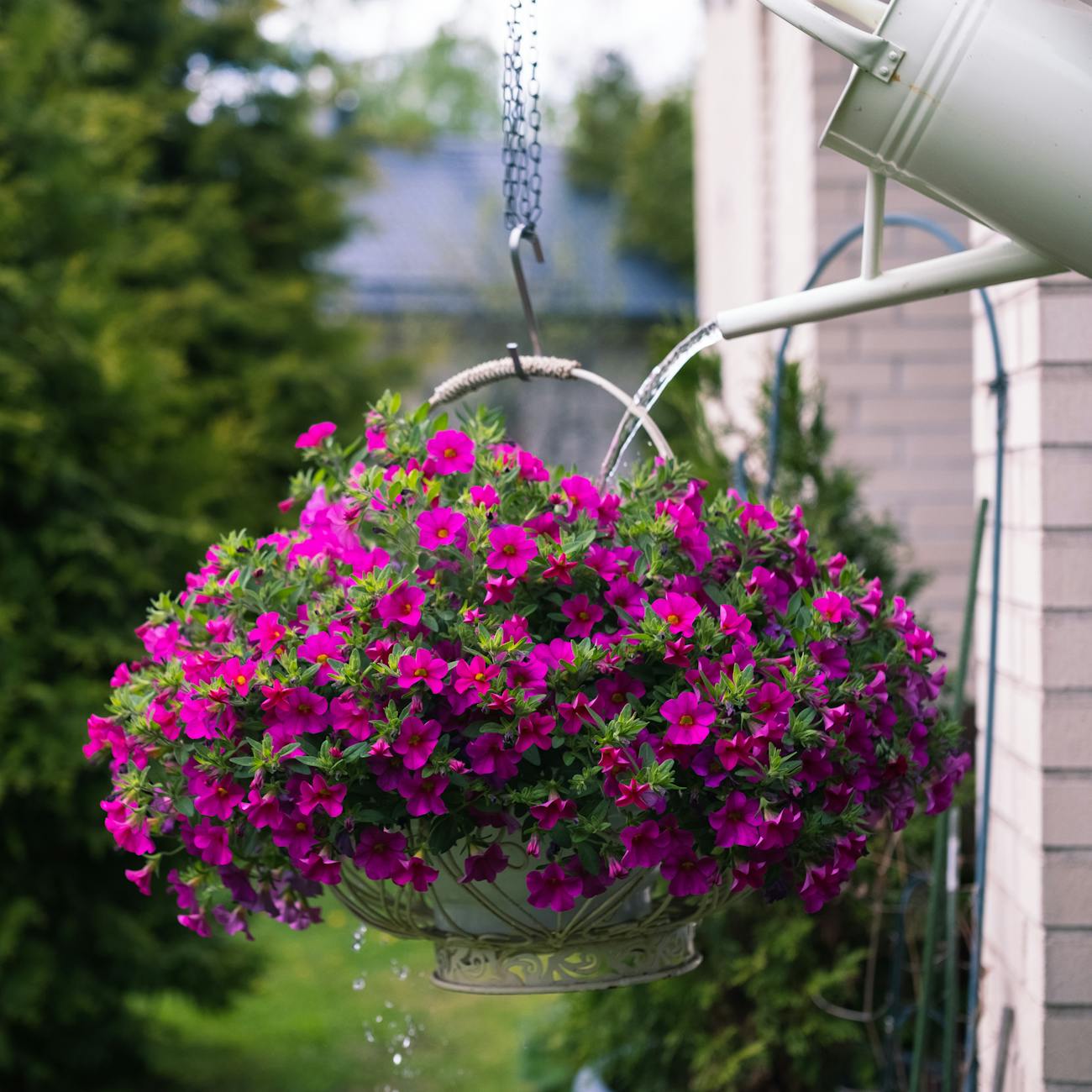
Introduction: Unlocking Non-Stop Petunia Blooms All Summer in Your UK Garden
Right, let's talk petunias! Here in my 800 sq ft patch in the heart of the UK Midlands, I've seen my fair share of gardening triumphs and, let's be honest, a few wilting disappointments over the past five years. When I first swapped my IT keyboard for a trowel, petunias were one of those plants I just assumed would give me non-stop colour. You see them everywhere, don't you? Bursting out of hanging baskets and containers, promising that vibrant summer display.
But then, come mid-July, after a particularly sunny (or sometimes just plain soggy) spell, they'd often start looking a bit… tired. Leggy stems, fewer flowers, and a general air of 'I'm done'. It was frustrating, especially when you've put in all that effort. I experimented, I failed, I learned, and honestly, I became a little obsessed with cracking the code to truly non-stop petunia blooms, right through our often-unpredictable British summer.
What I've learned in my UK garden, through countless hours of observation and trial-and-error, is that getting your petunias to re-bloom all summer isn't some dark art. It boils down to three core practices: diligent deadheading, smart feeding, and consistent, thoughtful watering. These aren't just chores; they're acts of love for your plants, and they'll pay you back tenfold in glorious, continuous colour. So, grab a cuppa, and let me share the real-world, UK-tested strategies I use to keep my petunias looking spectacular from June right up until the first frosts. It's all about understanding what these fantastic plants need to thrive in our specific climate, and I promise, it's simpler than you think!
The Essential Art of Deadheading: How to Encourage New Petunia Flowers
When I first started gardening, I admit, deadheading felt like a bit of a faff. I'd stand there, looking at a sea of spent blooms, thinking, "Do I really have to do all of them?" And for a while, I didn't. I'd just let my petunias do their thing, especially the 'self-cleaning' varieties, thinking I was being clever. What I quickly realised, especially after a particularly dismal display in my hanging baskets one wet Midlands summer, was that even supposedly 'self-cleaning' petunias benefit immensely from a bit of human intervention.
Here's the deal: a petunia's ultimate goal in life is to produce seeds. Every time a flower fades, it diverts energy into developing those seeds. If you don't remove that spent flower, the plant thinks, "Job done! Time to focus on reproduction rather than making more pretty blooms." By snipping off those fading flowers – a process we call deadheading – you trick the plant into thinking it hasn't fulfilled its mission. Its response? To push out more flowers, desperately trying to set seed again. It's a simple botanical trick, but incredibly effective for continuous colour here in the UK.
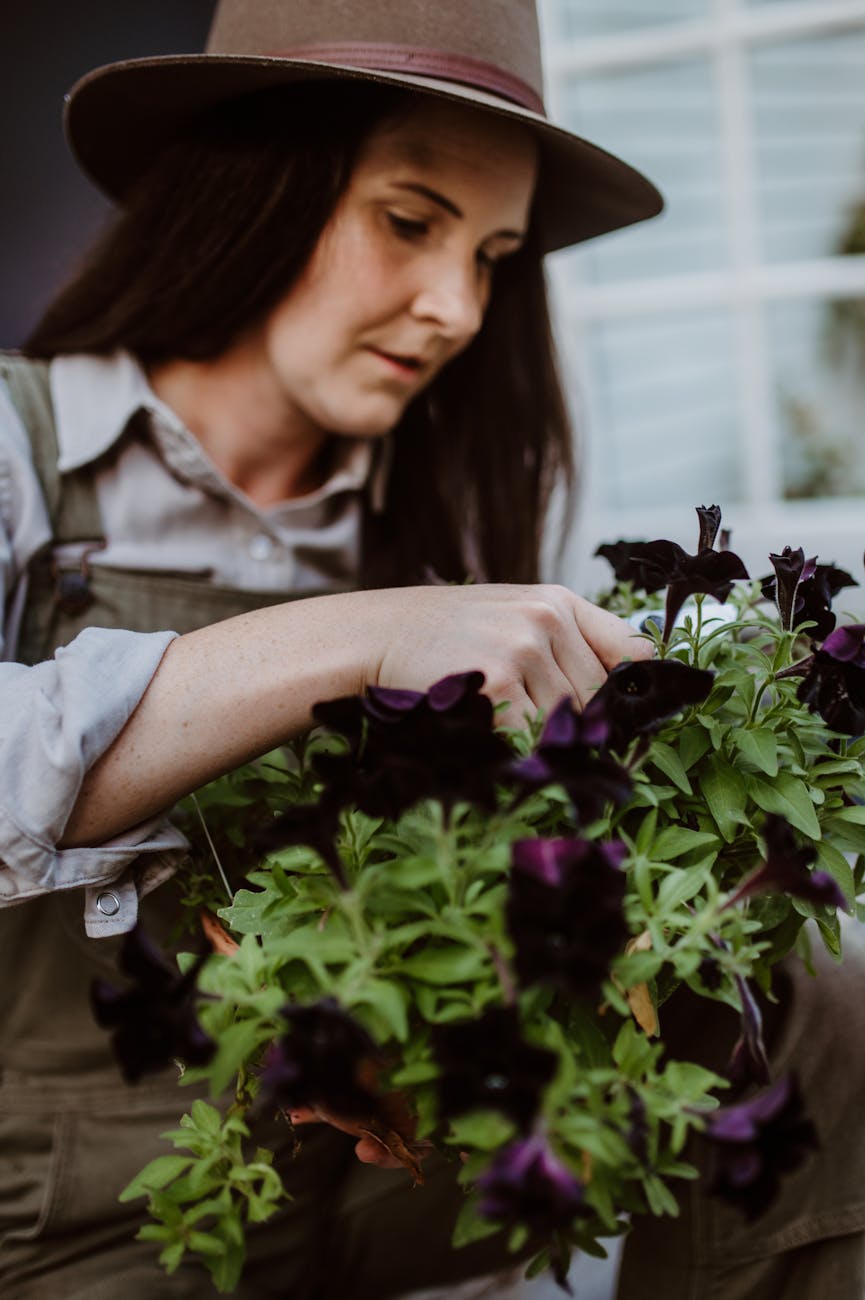
So, how do I do it in my garden? It's pretty straightforward. I look for the spent flowers, which will often be shrivelled and starting to turn brown. Don't just pull off the petals! You need to go a bit further down the stem. I usually pinch or snip just below the faded flower, right where the flower stem meets a leaf or a new bud is forming. This ensures you're removing the developing seed pod along with the spent bloom. I tend to do this daily or every other day, especially after a warm spell or a good watering, when new blooms are popping and old ones are fading fast. A quick five-minute patrol with my trusty snips can make a huge difference to the overall vigour and bloom production of my petunias.
One mistake I made early on, especially with our often-damp UK weather, was leaving the deadheaded material on the plant or in the pot. This can be an invitation for fungal issues, particularly if we get a run of humid days. Now, I always make sure to clear away the snipped bits. Also, don't be afraid to give your petunias a more aggressive 'haircut' if they start looking really leggy and sparse in August. I've found that a good trim – taking off about a third of the plant – often revitalises them for a final flush of blooms before autumn sets in. It feels drastic, but it works!
Fueling the Flower Power: Choosing and Applying Petunia Fertilisers
Just like us, petunias need a good, regular meal to keep them going, especially when they're working overtime to produce those glorious flowers all summer long in our UK climate. When I first started, I thought a bit of general-purpose compost was enough. Oh, how wrong I was! My petunias would start strong, but by mid-season, they'd look pale, with fewer flowers – a clear sign of nutrient deficiency. Now, feeding is a non-negotiable part of my petunia routine here in the Midlands.
Petunias are hungry plants, particularly when grown in containers and hanging baskets, as the nutrients quickly leach out with watering. They need a steady supply of nutrients, especially phosphorus (for flowers) and potassium (for overall plant health and resilience), along with a good dose of nitrogen for lush foliage. However, too much nitrogen will give you all leaf and no flower, which is a common mistake I've made in the past!
I always start my petunias off in good quality peat-free compost with a slow-release fertiliser mixed in, but that only lasts so long. For continuous blooms, especially from July onwards, a liquid feed becomes essential. I generally opt for a high-potash (high potassium) feed, often marketed as 'tomato food' or 'bloom booster', as these formulations are perfect for encouraging flowering. I dilute it to half strength and apply it every week to ten days, rather than full strength less often. I've found this 'little and often' approach works best, preventing nutrient burn and ensuring a consistent supply, even when our UK weather is a bit up and down.
Here's a comparison of the types of fertilisers I've used and what works best for my petunias:
| Fertiliser Type | NPK Ratio (Example) | Pros for UK Petunias | Cons for UK Petunias | Application & My Experience ## Hydration Hacks: Perfect Perfecting Your Petunia Watering Routine for UK Summers
Okay, so we’ve talked about deadheading and feeding, but let me tell you, if there’s one aspect of petunia care that can really make or break your summer display here in the UK, it’s watering. Our British summers, as much as I love them, can be a real mixed bag, can't they? One minute it’s a scorching heatwave, the next it’s a proper downpour, and then a week of grey drizzle. This unpredictability makes watering petunias, especially those in pots, hanging baskets, and my raised beds, a bit of a dance. I've learned this the hard way. Early on, I ruined more than a few baskets by either letting them dry out to a crisp or, conversely, drowning them in soggy compost.
Petunias, particularly the modern hybrids, are thirsty plants, especially when they’re packed into containers and producing masses of flowers. Consistent moisture is absolutely critical for continuous blooming. If they dry out too much, even just once, they can throw a tantrum, dropping flowers and generally looking sorry for themselves. The issue is, while they hate drying out, they also loathe sitting in waterlogged soil, which can lead to root rot – another common problem I've battled with in my UK garden, particularly during a wet August.
My rule of thumb in my Midlands garden is to check my petunias daily, sometimes twice a day during a heatwave. I don't just look at the surface; I stick my finger about an inch or two into the compost. If it feels dry, it's time to water. I always water deeply until I see water draining from the bottom of the pot or basket. This encourages the roots to grow downwards, making the plant more resilient. I also try to water in the early morning or late evening to minimise evaporation, and always at the base of the plant, avoiding wetting the foliage. This helps prevent fungal diseases, especially important during humid UK spells.
Here’s a look at different watering methods I've tried and their pros and cons for our specific UK conditions:
| Watering Method | Efficiency for UK Petunias | Effort Level | Cost (Initial/Ongoing) | Suitability for UK Weather & My Garden Experience
5. Beyond the Basics: Pruning and General Care for Bushier Petunias
So, we've talked about deadheading, feeding, and watering – the foundational trio for keeping those petunias pumping out blooms. But if you want truly spectacular, bushy, and floriferous plants, especially by mid-summer here in the UK, you need to get a bit more proactive with your pruning. I learned this the hard way, letting my first few hanging baskets get a bit leggy and sparse by August. Trust me, it’s worth being brave with the snips!
The Mid-Season Chop: Regenerative Pruning
Around mid-July, or whenever you notice your petunias starting to look a bit tired, straggly, or just less vigorous, it’s time for what I call the "mid-season haircut." This isn't just deadheading; it's a more significant prune designed to rejuvenate the whole plant. I usually do this when I see the stems getting long and bare, with flowers only at the very ends.
Last summer, my 'Trailing Surfinia Hot Pink' in the hanging baskets were looking rather sorry for themselves after a particularly wet spell followed by a sudden heatwave here in the Midlands. They were still flowering, but the overall shape was gappy and stretched. I took a deep breath, grabbed my sharpest secateurs, and went for it. I cut back about a third to half of the longest stems, aiming for a point just above a leaf node or a new side shoot. Don't be shy! This might feel drastic, and your plant will look a bit bald for a week or two, but it's like hitting the reset button. The energy that was going into maintaining those tired stems will now be redirected into new, fresh growth, leading to a flush of new flowers. Within two weeks, my baskets were filling out beautifully again, even with our often-unpredictable British summer weather.
Pinching for Bushiness from the Start
Beyond the mid-season chop, consistent pinching from a young age is crucial for a truly bushy plant. When your petunia seedlings or young plants have developed about 3-4 sets of true leaves, pinch out the very tip of the main stem, just above a leaf node. This removes the apical bud, which is responsible for upward growth. By doing this, you encourage the plant to produce side shoots, making it branch out and become much bushier. I do this without fail on all my petunias, whether they're destined for pots or my raised beds. It might delay the first flowers by a week or so, but the pay-off in terms of plant shape and overall bloom production is absolutely massive. It's a small investment of time for a truly spectacular display.
General Care Tips for Happy Petunias
- Air Circulation: Especially important in our often-damp UK climate. Ensure your petunias aren't crammed together. Good airflow helps prevent fungal diseases like powdery mildew, which can really knock them back. In my 800 sq ft garden, I make sure my hanging baskets aren't touching and that my container petunias have enough space.
- Pest Patrol: Keep an eye out for common UK garden pests like greenfly (aphids) and slugs. I usually check my plants daily when I'm watering. A strong jet of water can dislodge aphids, or if it's a bigger infestation, a simple diluted washing-up liquid spray works wonders. Slugs, well, they're a constant battle here in the Midlands, but healthy, vigorous petunias are less susceptible to major damage.
- Support if Needed: While most petunias are self-supporting, some of the very vigorous trailing varieties, especially in windy spots, might benefit from a bit of gentle support if they start to sprawl too much. I've sometimes used small bamboo canes in larger containers to guide some of the heavier stems.
6. Troubleshooting Petunia Blues: Why Your Blooms Might Be Slowing Down
Even with the best intentions and consistent care, petunias can sometimes throw a wobbler. I've certainly had my fair share of "petunia blues" over the years, especially when our British weather decides to be particularly uncooperative. The key is to be observant and try to diagnose the issue quickly. Often, a small tweak can get them back on track.
One spring, I was so excited about a new variety, 'Petunia Tumbelina Priscilla', and had them in prime position. But by early July, despite my usual routine, they just weren't thriving – yellowing leaves, few flowers, just generally looking sad. It drove me mad for a week, and I blamed everything from the soil to a passing bird. Turns out, I'd completely forgotten to increase their feeding as they grew! A classic beginner's mistake, even after five years! I thought I was doing enough, but their growth spurt demanded more. It’s a good reminder that even experienced gardeners like myself can have brain fades.
Here's a quick guide to troubleshooting common petunia problems I've encountered in my UK garden:
Troubleshooting Petunia Problems in Your UK Garden
| Problem | Common Symptoms | Randy's Diagnosis (UK Context) | Randy's Solution (Based on UK Experience) |
|---|---|---|---|
| Yellowing Leaves | Older, lower leaves turn yellow; veins may stay green. | Most often a nutrient deficiency, usually nitrogen or magnesium. Can also be overwatering, especially in prolonged wet UK spells, leading to root rot. If new leaves are yellow, it might be iron deficiency (less common but possible in alkaline soil). | Nutrient Deficient: Increase feeding with a balanced liquid feed (e.g., a general tomato feed has a good NPK for this). For magnesium, a quick Epsom salts drench can work wonders (1 tbsp per gallon of water). Overwatering: Check drainage. Allow soil to dry out more between waterings. If in a pot, ensure drainage holes aren't blocked. Consider repotting with fresh compost if severe. Iron (less common): Use a chelated iron supplement. |
| Leggy, Sparse Growth | Long, stretched stems with few leaves or flowers. | Insufficient light (common if moved to a shadier spot), lack of pinching/pruning, or sometimes, plants 'reaching' for nutrients if they're very hungry. Our often-cloudy UK skies can contribute if they're not in a truly sunny spot. | Light: Move to a sunnier location (6+ hours direct sun). Pruning: Give them a good mid-season chop (as discussed above) to stimulate new, bushy growth. Pinch young plants to encourage branching. Feeding: Ensure regular feeding with a good quality, high-potash fertiliser. |
| Few or No Flowers | Healthy-looking plant but minimal or no blooms. | Usually a nutrient imbalance (too much nitrogen, not enough phosphorus/potassium), lack of deadheading, or sometimes stress from extreme heat or cold (both possible in our varied UK summers!). Can also be not enough light. | Nutrient Balance: Switch to a higher-potash feed (like tomato food). Avoid high-nitrogen feeds. Make sure you're deadheading religiously. Light: Ensure they receive ample sunlight. Stress: Provide some temporary shade during extreme heatwaves, or move to a more sheltered spot if it's very cold or windy. |
| Wilting, Drooping | Leaves and stems limp; plant looks thirsty. | Classic sign of underwatering, but can also be severe overwatering leading to root rot (the roots can't take up water). In the UK, a sudden heatwave after a cool spell can cause wilting even in adequately watered plants as they adjust. | Underwatering: Water thoroughly until water drains from the bottom. Check soil moisture daily. Consider a self-watering planter for thirsty varieties. Overwatering/Root Rot: Immediately stop watering. Check drainage. If severe, gently remove from pot, inspect roots (brown/mushy indicates rot), and repot with fresh, well-draining compost after trimming bad roots. Heat Stress: Provide temporary shade during the hottest part of the day, ensure consistent moisture. |
| Brown Edges/Spots | Crisp, brown leaf edges, or brown spots on leaves. | Brown Edges: Often indicates inconsistent watering (alternating between too wet and too dry), or sometimes fertiliser burn if applied too strongly or on dry soil. Brown Spots: Can be fungal disease (especially in humid UK conditions), or sometimes pest damage (e.g., thrips). | Inconsistent Watering: Establish a consistent watering routine. Water deeply when needed. Fertiliser Burn: Flush the soil with plain water. Reduce fertiliser concentration. Always water before fertilising. Fungal Disease: Improve air circulation, remove affected leaves. Consider an organic fungicide if persistent. Pests: Inspect closely for pests and treat as necessary (e.g., neem oil, insecticidal soap for thrips). |
| Holes in Leaves/Flowers | Obvious munch marks, ragged edges. | Pests! Slugs and snails are notorious in UK gardens, especially after rain. Caterpillars, earwigs, or even birds can also be culprits. | Pest Control: Check plants thoroughly, especially underneath leaves and in the evening. Remove slugs/snails by hand. Use organic slug pellets or traps. For caterpillars, hand-pick. Encourage natural predators like birds (but net if they're the problem!). |
7. Conclusion: Enjoy a Summer of Vibrant, Non-Stop Petunia Colour
So there you have it, my fellow UK gardeners – my tried-and-tested approach to getting your petunias to re-bloom all summer long, right here in our often-challenging British climate. From the precise snip of deadheading to the nourishing boost of the right fertiliser, the crucial balance of watering, and the transformative power of a mid-season prune, it's all about understanding what your plants need and responding to them.
It's been a journey of trial and error for me over the past five years in my 800 sq ft Midlands garden. I’ve killed a fair few petunias, made mistakes with overfeeding and underwatering, and battled our famously unpredictable weather. But every season has been a learning curve, and the reward of those continuous, vibrant displays makes every effort worthwhile.
You don't need to be a seasoned horticulturalist to achieve this; just a keen eye, a bit of consistency, and a willingness to get stuck in. Remember, your petunias are resilient, and they want to flower for you! By following these tips – pinching for bushiness, religiously deadheading, feeding with a high-potash fertiliser, watering wisely, and giving them that rejuvenating mid-season chop – you'll be amazed at the sheer volume of colour you can coax from them.
Imagine stepping out into your garden, or looking out at your patio, and seeing waves of purple, pink, white, and red cascading from baskets and spilling from pots, from early summer right through to the first frosts. That's the petunia dream, and it's absolutely achievable in your UK garden.
Go on, give these techniques a go. I'd love to hear about your successes (and even your challenges!) in the comments below. Happy gardening, and here's to a summer bursting with non-stop petunia joy!
