
Introduction: Understanding the Threat of Spider Mites to Your Indoor Sanctuary
There’s nothing quite like stepping into my greenhouse or coming home after a long day in my 800 sq ft Midlands garden, only to be greeted by the vibrant green sanctuary of my indoor plants. They’re more than just decor; they're living testaments to the joy and peace that gardening brings, even when the British weather is doing its worst outside. I’ve spent the last five years transforming my former IT life into a full-blown obsession with growing, and that includes nurturing a thriving collection of houseplants – from my beloved 'Moneymaker' tomato seedlings getting an early start indoors to the herbs I keep on the kitchen windowsill year-round.
However, even our indoor havens aren't immune to the challenges that come with nurturing life. One of the most insidious and frustrating pests I've battled in my own home, right here in the UK, is the dreaded spider mite. These tiny, almost invisible terrors can creep in silently, turning lush foliage into a dusty, web-covered mess before you even realise what's happening. I learned this the hard way a few winters ago when a beautiful Ficus lyrata I’d been coddling for years suddenly started looking sickly, and I initially put it down to the central heating. Oh, how wrong I was!
The dry air in our centrally heated UK homes, especially during those long, damp winters, creates the perfect breeding ground for these microscopic menaces. They thrive in conditions that often make us humans comfortable, making them a particularly tricky foe for indoor plant enthusiasts. But don't despair! Through plenty of trial and error (and a few lost battles, I'll admit), I've developed a robust, organic, and most importantly, effective step-by-step plan for treating and preventing spider mite infestations. What works here in Britain, in my experience, is a consistent, proactive approach. So, let's roll up our sleeves and get your indoor plants back to their glorious, pest-free best.
Spotting the Silent Invaders: Early Signs of Spider Mite Infestation on Indoor Plants
Spider mites are masters of disguise, their minuscule size making them incredibly difficult to spot until they've already started to cause significant damage. I've often cursed myself for not noticing them sooner, especially when they've taken hold of my cherished 'Black Krim' tomato seedlings that I start indoors in February, vital for a good harvest in my greenhouse later. Early detection is absolutely key here; it's the difference between a quick wipe-down and a full-blown, weeks-long battle.
The first thing I always tell fellow UK gardeners is to get up close and personal with your plants regularly. I make it a habit to inspect my indoor plants at least once a week, especially the undersides of the leaves. Why the underside? Because that's where these tiny arachnids (yes, they're not insects!) love to hang out and feed. They're often reddish-brown or yellowish, about the size of a grain of pepper, and you might need a magnifying glass – a trick I picked up from scrutinising my outdoor brassicas for caterpillars!
Here are the tell-tale signs I've learned to look for:
- Stippling: This is usually the first visible symptom. You’ll notice tiny, pin-prick sized yellow or white dots on the upper surface of the leaves. This is where the mites have literally sucked the sap out of the plant cells. I once mistook this for a nutrient deficiency on a basil plant on my kitchen windowsill, only to find the culprits underneath!
- Yellowing or Bronze Leaves: As the infestation progresses, these stippled areas will merge, causing larger patches of the leaf to turn yellow, bronze, or even silver. My beloved lemon tree, which I bring indoors for the winter, suffered this badly before I got on top of its recurring mite problem.
- Fine Webbing: This is the most obvious sign, but it usually means the infestation is well-established. Spider mites produce delicate, silken webs, particularly in the leaf axils (where the leaf meets the stem) and across the undersides of leaves. It looks like very fine, dusty cobwebs. If you see this, you know you've got a serious problem on your hands.
- Overall Plant Decline: Leaves may start to curl, drop prematurely, or the plant might just look generally unhealthy and lack its usual vigour.
Don't wait until you see webs. By then, they've set up shop and are throwing a party. Regular, thorough inspection is your best defence.
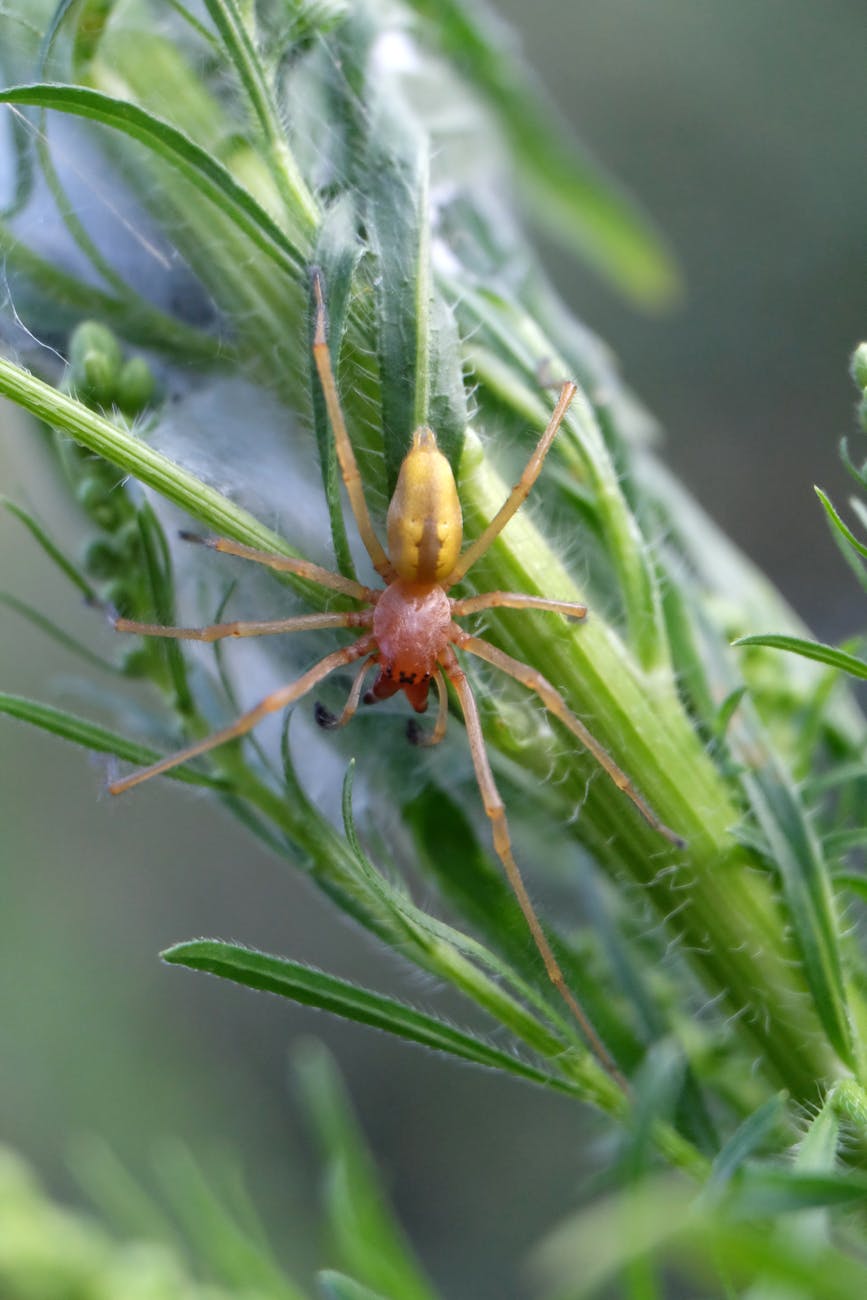
Immediate Action: Step-by-Step Organic Treatment for Active Spider Mite Infestations
Once you've spotted those unwelcome guests, don't panic, but do act swiftly. Procrastination is a spider mite's best friend! I've learned this the hard way more times than I care to admit, especially with sensitive plants like my 'Sungold' tomato seedlings. What works best, in my experience, is a multi-pronged organic attack, starting with physical removal.
Here's my immediate action plan, honed over years of battling these pests in my UK home:
- Isolate the Patient: This is step one, always. As soon as I confirm an infestation, that plant is immediately moved away from all other plants. I usually put it in the spare room or even the bathroom for a few days – anywhere it can't spread its little friends. This significantly reduces the risk of the mites jumping ship to your healthy specimens.
- Shower Power (or Wipe Down): This is surprisingly effective.
- For smaller plants: Take the plant to a sink or shower and give it a thorough rinse with lukewarm water. Make sure to spray the undersides of the leaves especially. The physical force of the water dislodges a huge number of mites and their eggs. I often use my kitchen tap with the spray nozzle on a gentle setting.
- For larger plants: If showering isn't feasible, grab a damp cloth or sponge and gently wipe down every single leaf, top and bottom. This can be time-consuming, but it's incredibly satisfying to literally wipe the little blighters away. I once spent an entire evening meticulously wiping down a particularly stubborn bay leaf plant that had been infested, and it was worth every minute.
- Prune and Dispatch: If any leaves are heavily infested, curled, or covered in dense webbing, it's often best to simply prune them off. This removes a significant portion of the mite population immediately. Just make sure to dispose of the infested foliage properly – don't put it in your compost pile unless you're absolutely sure your composting system gets hot enough to kill them off. For indoor plants, I usually bag them up and put them straight in the bin.
- Introduce an Organic Spray: Once you've physically removed as many mites as possible, it's time to apply an organic treatment. This will target any remaining mites and their eggs. This isn't a one-and-done job; consistency is crucial. You'll need to repeat these spray applications regularly, usually every 3-5 days for at least two to three weeks, to catch new generations as they hatch. I remember thinking I'd won after the first spray on my chillies, only for them to return with a vengeance a week later – a classic newbie mistake!
These initial steps are about reducing the population quickly. Now, let's dive into the organic solutions I've personally tried and tested here in Britain to finish the job.
Natural Pesticides & DIY Sprays: A Comparison of Organic Solutions for Eradication
Once you've tackled the immediate physical removal, the next step is to introduce a natural pesticide that will continue to eradicate spider mites and prevent their return. Over my five years of intensive gardening, I’ve experimented with quite a few organic solutions, both store-bought and homemade. What works best often depends on the severity of the infestation and the type of plant, but here in the UK, I've found a few reliable champions.
Here's a breakdown of the organic solutions I've personally used and recommend, along with my honest take on their pros and cons:
1. Neem Oil Spray
Neem oil is my absolute go-to for most pest problems, including spider mites. It's a natural insecticide derived from the neem tree. It works as an antifeedant, growth disruptor, and repellent. I always keep a bottle of concentrated cold-pressed neem oil handy in my greenhouse shed and for my indoor plants.
- My experience: It's highly effective, but you need to be consistent. The smell can be a bit strong, a bit like garlic and nuts, but it dissipates quickly. I've used it successfully on everything from my greenhouse heirloom tomatoes to my indoor peace lily.
2. Insecticidal Soap (Potassium Salts of Fatty Acids)
These are essentially specially formulated soaps that break down the outer layer of soft-bodied pests like spider mites, causing dehydration. You can buy commercial insecticidal soaps, or you can make a DIY version.
- My experience: Very safe for plants and pets, and generally readily available in UK garden centres or online. The DIY version is cheaper but needs careful dilution to avoid plant damage. It's great for direct contact kills.
3. Rubbing Alcohol (Isopropyl Alcohol) Solution
This is a fast-acting contact killer, particularly useful for spot treatments on small, localised infestations.
- My experience: I use this for quick wipe-downs on individual leaves or stems, especially if I spot a cluster of mites. It evaporates quickly, leaving little residue, but can be too harsh for some delicate plants or if used too broadly. Always test on a small area first.
4. Essential Oil Sprays (e.g., Peppermint, Rosemary)
Some essential oils have repellent and pesticidal properties. While not as potent as neem or insecticidal soap, they can be part of a broader prevention strategy or for very mild issues.
- My experience: I’ve dabbled with these, mainly for their pleasant scent and repellent qualities. I found them less effective for active, heavy infestations but useful for deterring pests and for a general 'clean up' after a main treatment.
Comparison Table: Organic Solutions for Spider Mite Eradication
| Solution Name | Key Ingredients/DIY Recipe | Pros (Randy's UK Experience) | Cons (Randy's UK Experience) | Best Use Case (for UK Indoor Plants)
5. Building Resilience: Comprehensive Organic Prevention Strategies for a Mite-Free Home
Right, so you've battled the little blighters, you've probably even won the first round. But in my five years of intense gardening here in the UK Midlands, I've learned that prevention truly is better than a cure, especially when it comes to spider mites. They're sneaky, persistent, and frankly, a pain in the proverbial. So, let's talk about building a fortress around your indoor plants, organically, of course. This isn't just about reacting; it's about creating an environment where spider mites simply can't thrive, even with our often unpredictable British weather throwing curveballs.
The Cornerstone of Prevention: Humidity is Your Friend
This is probably the single most effective weapon in your preventative arsenal. Spider mites absolutely detest humidity. In my own home, especially during those long, dry UK winters when the central heating is blasting, the air gets incredibly dry. This is prime breeding ground for mites.
- Pebble Trays: This is my go-to for most of my humidity-loving plants, like my peace lilies and calatheas. I simply fill a shallow tray with pebbles and water, making sure the pot sits above the waterline. As the water evaporates, it creates a microclimate of humidity around the plant. It's simple, cheap, and effective. I've got a couple of these tucked away in my plant corners.
- Grouping Plants: Plants release moisture through transpiration, so grouping them together creates a naturally more humid pocket. It's like a little plant party where everyone contributes to the atmosphere! I do this with a lot of my herbs and smaller foliage plants in the kitchen.
- Humidifier: For my more delicate greenhouse beauties that I bring indoors for winter, or my prized 'Moneymaker' tomato seedlings before they hit the greenhouse, a small room humidifier can be a game-changer. I've found even a cheap one makes a massive difference in keeping the air moist enough to deter mites. I usually run it for a few hours a day.
- Misting: While it provides temporary relief and isn't a long-term solution for humidity, a daily mist with distilled water can help knock back early colonisers and keep leaves clean. I usually give my indoor citrus a good mist every morning.
My Proactive Prevention Playbook: Tried and Tested in My UK Garden
Beyond humidity, there are several other organic strategies I swear by. It’s a bit like a holistic health plan for your plants – keep them strong, and they can fight off invaders themselves.
- Regular Leaf Wiping: This is a bit of a chore, I'll admit, but it's incredibly effective. Every couple of weeks, I give my indoor plants a gentle wipe-down with a damp cloth or a very diluted neem oil solution. This removes dust, which mites love to hide in, and physically dislodges any potential squatters. It’s also a great opportunity for a close inspection. I usually do this on a Sunday afternoon while listening to a gardening podcast.
- Quarantine New Plants: This is a lesson I learned the hard way. When I first started, I was so excited about new plant purchases, I'd bring them straight into my existing plant collection. Big mistake! One time, I introduced a seemingly healthy fern from a garden centre, and within a month, my entire shelf of houseplants was under attack. Now, every new plant, without fail, spends at least two weeks in isolation in a separate room. I inspect it daily, give it a preventative neem spray, and only then does it join the gang.
- Good Airflow: While mites hate humidity, they also dislike good air circulation. Stagnant, warm air is their favourite. Ensure your plants aren't crammed together and there's gentle air movement. This doesn't mean blasting them with a cold draft from a poorly sealed British window (which can cause other issues!), but perhaps a gentle fan on low for a few hours a day, or simply not overcrowding your shelves.
- Healthy Plant Nutrition: A strong, healthy plant is always more resilient to pests. I feed my indoor plants with a balanced organic liquid feed (like a good seaweed emulsion) every 2-4 weeks during the growing season. Just like us, a well-fed plant has a better immune system. I've found this makes a huge difference in their ability to bounce back and resist infestations.
Here's a quick comparison of my favourite prevention methods:
| Prevention Method | Effort Level | Effectiveness (Randy's Rating) | Best For... | Randy's UK Experience Insight Healthy plants are the best defence against mites, and these are my indoor plants enjoying the sunshine in my UK garden.
6. Post-Treatment Care: Sustaining Success and Ongoing Monitoring for Reinfestation
Alright, the initial battle is done, and your plants are looking much happier. But hold your horses, because this isn't the time to get complacent. In my experience here in the Midlands, spider mites are masters of resurgence. I've been caught out more than once, thinking I’d won, only for them to creep back within weeks. Sustaining your success through diligent post-treatment care and ongoing monitoring is absolutely critical. It’s a marathon, not a sprint, this mite eradication business!
The Follow-Up is Crucial
Remember how I stressed the life cycle of spider mites earlier? Missing just one generation means a full-blown re-infestation is likely.
- Consistent Follow-Up Sprays: Even if you can't see a single mite, you must continue your chosen organic treatment (neem oil, insecticidal soap, or DIY garlic spray) at regular intervals. I typically follow a schedule of spraying every 3-5 days for at least two weeks after the initial treatment. For especially stubborn cases or larger plants like my indoor fig, I'll extend that to three weeks. This ensures you catch any newly hatched mites before they can mature and lay eggs.
- Target the Undersides: Always, always remember to thoroughly drench the undersides of the leaves. That's their favourite hideout, and it's easy to miss. I often turn my smaller plants upside down (cupping the soil with my hand) to get full coverage.
Your Eagle Eye: Ongoing Monitoring
This is where your inner detective comes out. Make regular inspections a non-negotiable part of your plant care routine.
- Daily Quick Checks: As part of my morning routine, while I'm having my first cuppa, I'll quickly glance over my indoor plants. I'm looking for any subtle changes – dullness, speckling, or those tell-tale tiny webs. It only takes a minute, but it can save you weeks of future work.
- Weekly Deep Dives: Once a week, I dedicate about 15-20 minutes to a more thorough inspection. I'll pick up each plant, especially the ones that were hit hardest, and meticulously check the undersides of the leaves, stems, and leaf axils. I'll use my phone's flashlight to get a good look, and sometimes even a small magnifying glass for those really tiny areas. If I spot anything suspicious, even just a tiny speck, I immediately isolate the plant and treat it.
- Sticky Traps: While not for spider mites specifically (they're more for fungus gnats), I still keep a few yellow sticky traps near my plant shelves. They don't catch mites, but they do indicate the general health of your plant environment and can sometimes catch other opportunists.
Helping Your Plants Recover
The battle against spider mites can be stressful for your plants. They've been under attack, and possibly drenched in sprays. Helping them recover is key to their long-term health and resilience.
- Optimal Watering: Ensure your plants are getting the right amount of water for their needs. Overwatering can stress roots, while underwatering can make leaves brittle and more susceptible to new attacks. I always check the soil moisture with my finger before watering; generally, it's better to slightly under-water than over-water, especially for our indoor climate here in the UK.
- Gentle Fertilisation: Once your plants show signs of recovery (new growth, perkier leaves), you can resume a light feeding schedule with a balanced organic fertiliser. I usually wait about two weeks after the last treatment before giving them a diluted dose of my favourite seaweed and comfrey feed, which I also use for my raised beds. It’s like a gentle tonic, not a heavy meal.
- Reinforce Prevention: Immediately re-implement all those prevention strategies we just talked about – boost humidity, ensure good airflow, and keep those leaves clean. It’s about making your space as inhospitable to mites as possible.
Remember, consistency is your greatest ally here. Don't let your guard down, and your indoor oasis will thank you for it!
7. Reclaiming Your Green Space: A Summary of Your Organic Battle Plan Against Spider Mites
Phew! We've covered a lot, haven't we? From those initial chilling discoveries of webbing to the satisfying sight of a thriving, mite-free plant, it's been a journey. As a fellow UK gardener who’s spent countless hours (and made countless mistakes!) in my 800 sq ft Midlands backyard and greenhouse, I know how disheartening it can be to find your beloved plants under attack. But I also know, with absolute certainty, that you have the power to win this battle, organically and sustainably.
Let’s quickly recap your complete organic battle plan against spider mites:
- Be a Vigilant Detective: Early detection is your absolute superpower. Learn those tell-tale signs – the tiny yellow speckles, the dullness of leaves, and most importantly, the fine webbing. Regular inspections are non-negotiable.
- Act Decisively with Organic Treatments: Once you spot them, don't hesitate. Isolate the affected plant and immediately start with physical removal (a strong spray of water) followed by consistent applications of organic solutions like neem oil, insecticidal soap, or one of our DIY sprays. Remember the life cycle – consistency is key to breaking it.
- Build an Impenetrable Defence: Prevention isn't an afterthought; it's the foundation of a mite-free home. Focus on high humidity, good airflow, regular leaf cleaning, and quarantining new plants. A healthy, well-fed plant is a resilient plant, so keep up with your organic feeding.
- Stay on Guard Post-Treatment: This is where many of us (myself included, in my early days) falter. Follow-up treatments and ongoing, meticulous monitoring are vital to catch any stragglers or new generations before they get out of hand.
Gardening, whether indoors or out in my raised beds growing heirloom tomatoes, is all about observation, experimentation, and learning from nature. There will be challenges – believe me, I've had my share of whitefly in the greenhouse after a particularly mild British winter, and powdery mildew on my courgettes! But every challenge is an opportunity to learn and grow, both for your plants and for you as a gardener.
Don't be discouraged if you have a setback. It happens to the best of us. The important thing is that you're taking a proactive, organic approach to nurturing your green sanctuary. The reward of a lush, vibrant indoor jungle, knowing you've protected it with care and respect for nature, is truly unmatched.
So, go forth, embrace your inner green warrior, and reclaim your space. Your plants – and your peace of mind – will thank you for it! Happy organic gardening, my friend!