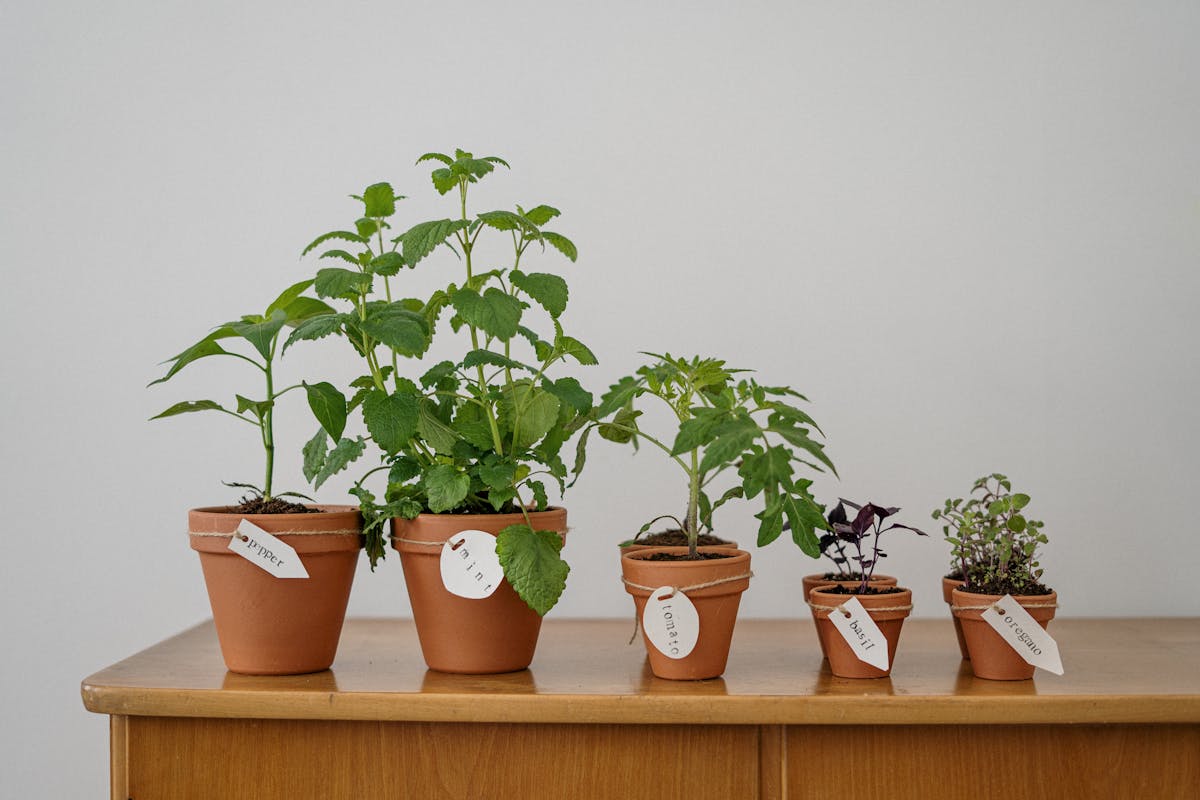
There's nothing quite as disheartening as stepping into your garden, full of anticipation, only to spot an unsightly brown or black patch marring the vibrant green of your beloved plants. Dead spots on leaves, scientifically known as necrosis, are a common yet concerning issue for gardeners of all experience levels. These blemishes aren't just cosmetic; they're often a critical signal from your plant, indicating that something isn't quite right in its environment, its diet, or its fight against unwelcome guests. Understanding the root cause is the first step toward recovery and ensuring your plants thrive. This comprehensive guide will help you decode these plant distress signals, providing you with the knowledge and practical strategies to diagnose, treat, and prevent dead spots, transforming you into a more confident and capable gardener.
1. Introduction: Understanding Dead Spots on Leaves
Dead spots, or necrotic lesions, are areas of plant tissue that have died. They can manifest in a myriad of ways: small pinprick dots, large irregular blotches, distinct circles, or even entire sections of a leaf turning brown, black, or yellow before dying off. While the visual impact is immediately noticeable, the underlying cause is what truly matters. These spots are not a disease in themselves but rather a symptom of an underlying problem. They indicate that cells in that particular area of the leaf have ceased to function, often due to dehydration, nutrient starvation, attack by pathogens, or physical damage.
Understanding why these spots appear is crucial for effective treatment. A misdiagnosis can lead to ineffective remedies, wasted effort, and prolonged plant stress, potentially even leading to the demise of your plant. This guide will walk you through the common culprits behind leaf necrosis, equip you with diagnostic tools to pinpoint the specific issue, and offer actionable, practical solutions to restore your plants to their full health and vigor. From environmental stressors to cunning pests and insidious diseases, we'll explore each possibility, empowering you to become a true plant detective in your garden.
2. Common Causes of Leaf Necrosis
Dead spots on leaves are often a direct result of environmental stressors, nutritional imbalances, or disease pathogens. Identifying which category your problem falls into is the first step towards a successful recovery plan. Each cause leaves subtle clues, and by observing carefully, you can narrow down the possibilities.
Environmental Stressors
Plants are remarkably resilient, but extreme or sudden changes in their environment can quickly lead to tissue damage.
- Sunscald: Too much direct sun, especially after a period of shade or on plants not accustomed to intense light, can burn leaf tissue. Symptoms include bleached, white, or brown spots, often on the upper surfaces of leaves facing the sun.
- Frost Damage: Exposure to freezing temperatures causes ice crystals to form within plant cells, rupturing them. Affected areas turn dark green, then black or brown, and become limp. Damage often appears on the outer edges or tips of leaves.
- Windburn: Constant strong winds can dehydrate leaves faster than the plant can replenish moisture, leading to browning and crisping, particularly along leaf margins.
- Water Stress (Overwatering/Underwatering):
- Underwatering: Prolonged drought causes leaves to wilt, then crisp and brown from the edges inward as cells die from lack of moisture.
- Overwatering: Excess water deprives roots of oxygen, leading to root rot. Damaged roots cannot absorb water efficiently, causing leaves to show symptoms similar to underwatering (wilting, yellowing, then browning/necrosis), often accompanied by a foul smell from the soil.
Nutrient Deficiencies or Excesses
Plants require a balanced diet of macro and micronutrients. Imbalances can manifest as various symptoms, including necrosis.
- Potassium Deficiency: Often causes yellowing and browning (necrosis) along the leaf margins, starting on older leaves.
- Calcium Deficiency: Can lead to stunted growth, distorted new leaves, and dead spots, particularly at the growing tips (e.g., blossom end rot in tomatoes).
- Magnesium Deficiency: Causes interveinal yellowing (chlorosis) on older leaves, with the veins remaining green. Severe deficiency can lead to brown necrotic spots.
- Boron Toxicity: While less common than deficiencies, excess boron can cause yellowing and necrosis of leaf tips and margins.
Fungal and Bacterial Diseases
Many plant pathogens cause characteristic spots as they infect and kill plant tissue.
- Leaf Spot Diseases (General): Caused by various fungi (e.g., Alternaria, Cercospora, Septoria) or bacteria (Pseudomonas, Xanthomonas). Symptoms typically include circular or irregular spots that can be brown, black, or tan, often with a darker border or a yellow halo. Spots may merge, leading to larger necrotic areas.
- Anthracnose: A fungal disease causing irregular, sunken spots with dark borders, often on leaves, stems, and fruits. Affected areas can appear water-soaked initially, then turn tan or brown.
- Blight: Refers to rapid and widespread browning, wilting, and death of plant tissues. Examples include Early Blight (Alternaria solani) and Late Blight (Phytophthora infestans), which cause distinct dark, often concentric ring patterns on leaves, rapidly expanding.
- Powdery Mildew (Severe): While primarily causing white, powdery growth, severe or untreated infections can stress leaves to the point of yellowing, browning, and necrosis.
Chemical Burn
Accidental exposure to harsh chemicals can directly damage leaf tissue.
- Fertilizer Burn: Over-application of fertilizers, especially synthetic ones, can lead to a buildup of salts in the soil or direct contact with leaves, causing them to dry out, turn brown, and crisp, particularly at the tips and margins.
- Pesticide/Herbicide Drift: Improper application or drift of pesticides, fungicides, or herbicides can cause localized burning, bleaching, or necrotic spots on non-target plants. Symptoms vary widely depending on the chemical but often appear as irregular, scorched areas.
Here's a detailed comparison of these common causes:
| Cause Category | Specific Issue | Typical Appearance of Dead Spots | Location on Plant/Leaf | Key Distinguishing Features | Initial Action / Prevention |
|---|---|---|---|---|---|
| Environmental Stress | Sunscald | Bleached white, tan, or brown spots; dry and papery. | Upper leaf surfaces, sun-exposed areas | Appears after intense sun exposure; no distinct pattern or pathogen signs. | Gradually acclimate plants to full sun; provide shade during peak heat (e.g., 1 PM - 4 PM) for sensitive plants; ensure adequate watering. |
| Frost Damage | Dark green, then black/brown; limp and water-soaked initially, then dry. | Leaf edges, tips, new growth | Occurs after freezing temperatures; sudden onset; affects entire plant parts exposed. | Monitor forecasts; cover sensitive plants with frost cloth (e.g., spun-bonded polypropylene covers) when temperatures drop below 0°C (32°F); bring potted plants indoors. | |
| Windburn | Browning and crisping, especially along leaf margins. | Exposed leaves, outer canopy | Appears in windy locations; no yellowing or pathogen signs; often consistent across multiple leaves. | Plant windbreaks (e.g., taller plants, fences); stake tall plants; protect sensitive plants with temporary barriers; ensure consistent watering to prevent dehydration. | |
| Underwatering | Wilting, then crisping and browning from edges inward. | Older leaves first, then entire plant | Soil is dry; plant appears droopy; gradual onset. | Check soil moisture regularly (e.g., finger test 2-3 inches deep); water deeply and consistently, especially during dry spells. Use mulch (5-10 cm layer) to retain soil moisture. | |
| Overwatering | Wilting, yellowing, then browning/necrosis; often soft, mushy. | Older leaves first, then entire plant | Soil is consistently wet; possible foul odor; pot drainage holes may be blocked. | Ensure pots have drainage holes; use well-draining potting mix; allow soil to dry out slightly between waterings; avoid standing water. Improve soil aeration for garden beds. | |
| Nutrient Imbalance | Potassium Deficiency | Yellowing and browning (necrosis) along leaf margins. | Older leaves | Veins often remain green initially; common in fruiting plants. | Soil test to confirm; apply potassium-rich fertilizers (e.g., kelp meal, wood ash, greensand) or balanced fertilizer if general nutrient deficiency. Adjust soil pH if needed (aim for 6.0-7.0). |
| Calcium Deficiency | Stunted new growth, distorted leaves, dead spots at growing tips. | New growth, fruit ends (e.g., blossom end rot) | Affects youngest tissues; often linked to inconsistent watering, not just lack of soil Ca. | Ensure consistent soil moisture; avoid over-fertilizing with nitrogen; apply gypsum or bone meal if soil test indicates deficiency. Adjust soil pH to improve uptake. | |
| Magnesium Deficiency | Interveinal yellowing on older leaves, veins remain green; later, brown necrotic spots. | Older leaves | "Christmas tree" pattern of yellowing; common in acidic soils. | Apply Epsom salts (magnesium sulfate) as a foliar spray (1 tbsp per gallon of water, apply every 2-4 weeks) or soil drench; use dolomitic lime to raise pH and add Mg. | |
| Fungal/Bacterial Disease | Leaf Spot (General) | Circular to irregular spots, brown/black/tan, often with yellow halo or dark border. | Scattered on leaves | Spots may merge; can be raised, sunken, or fuzzy; often spread by splashing water. | Remove infected leaves; improve air circulation; avoid overhead watering; apply appropriate organic fungicides (e.g., copper, neem oil) or bactericides if severe. Rotate crops. |
| Anthracnose | Irregular, sunken spots with dark borders; water-soaked initially, then tan/brown. | Leaves, stems, fruits | Often causes defoliation; can appear in wet, humid conditions. | Prune infected parts; improve air circulation; use resistant varieties; apply copper-based fungicides or Bacillus subtilis sprays as preventative or early treatment. | |
| Blight | Rapid browning/wilting; often distinct dark, concentric rings (late blight). | Leaves, stems, entire plants | Spreads quickly; severe defoliation; can kill plants rapidly. | Remove and destroy infected plant material (do not compost); use resistant varieties; apply preventative organic fungicides (e.g., copper, biofungicides) in high-risk conditions. Ensure good drainage. | |
| Chemical Injury | Fertilizer Burn | Browning, crisping of leaf tips/margins; sudden onset after fertilization. | Leaf tips, margins, base of plant | Soil may have white salt crust; plant often looks generally stressed. | Flush soil with plain water; reduce fertilizer application rates; use slow-release fertilizers; ensure proper dilution (e.g., half-strength for sensitive plants). |
| Pesticide/Herbicide Burn | Irregular bleached, scorched, or necrotic spots; distorted growth. | Localized areas, windward side | Appears shortly after chemical application; specific to areas of contact. | Always read and follow product labels carefully; avoid spraying in windy conditions; use targeted application methods; shield non-target plants. |
3. Diagnosing the Problem: Identifying Specific Spot Patterns
Once you've observed dead spots on your plant's leaves, the next critical step is to become a plant detective and meticulously examine the details. The specific pattern, color, shape, and associated symptoms can provide invaluable clues to the underlying problem. Don't just look at one leaf; examine several, including older, newer, and middle-aged leaves, as well as stems and the undersides of leaves.
What to Look For: A Detailed Visual Guide
Color of the Spot:
- Brown: A very common color for necrosis. Can indicate anything from sunscald to fungal diseases or drought.
- Black: Often points to a severe fungal or bacterial infection (e.g., black spot, blight), severe frost damage, or overwatering leading to root rot.
- Yellow/Tan: Can be an early sign of necrosis, often seen with nutrient deficiencies or milder forms of sunscald. A yellowing around a brown/black spot (a "halo") is a classic sign of many fungal and bacterial leaf spot diseases.
- White/Bleached: Strong indicator of sunscald, chemical burn, or in some cases, severe powdery mildew that has killed the underlying tissue.
- Reddish-Purple: Less common for dead spots themselves, but can appear as a precursor to necrosis, especially with phosphorus deficiency or some forms of stress.
Shape and Size of the Spot:
- Circular/Round: Often characteristic of fungal leaf spot diseases (e.g., Septoria leaf spot). The spots may be small, distinct, and numerous.
- Irregular/Angular: More common with bacterial leaf spots, chemical burns, or environmental stressors like windburn. The spots tend to follow leaf veins or appear as blotches.
- Target-like (Concentric Rings): A strong indicator of specific fungal diseases like Early Blight (Alternaria solani) or some types of anthracnose.
- Pinprick/Stippling: Tiny dots, often yellow or bronze, that can merge into larger necrotic areas. This is a classic sign of sap-sucking pests like spider mites or thrips, where individual cells are damaged.
- Large Blotches: Can indicate severe sunscald, chemical burn, or advanced stages of blight where multiple spots have coalesced.
Location on the Leaf:
- Leaf Margins/Tips: Often affected by nutrient deficiencies (e.g., potassium, calcium), salt burn from over-fertilization, underwatering, or windburn.
- Interveinal Areas (Between Veins): Common for nutrient deficiencies like magnesium, or some bacterial diseases.
- Scattered Randomly: Typical for many fungal leaf spot diseases or insect feeding damage.
- Along Veins: Some bacterial diseases or specific fungal infections might follow the vascular tissue.
- On New vs. Old Leaves:
- Older leaves first: Often points to mobile nutrient deficiencies (e.g., nitrogen, phosphorus, potassium, magnesium) or water stress.
- Newer leaves first: Suggests immobile nutrient deficiencies (e.g., calcium, boron, iron) or certain viral/bacterial infections.
Associated Symptoms:
- Yellow Halo: A yellow ring surrounding a brown or black spot is a classic sign of many fungal and bacterial diseases. It indicates the plant's attempt to wall off the infection.
- Water-Soaked Appearance: Spots that look wet, dark, and translucent are often characteristic of bacterial infections or initial stages of blight.
- Fuzzy Growth/Powdery Coating: If you see a fuzzy mold (white, gray, black, or orange) on or around the spot, it's almost certainly a fungal disease (e.g., powdery mildew, downy mildew, rust).
- Sticky Residue (Honeydew): While not a direct cause of dead spots, honeydew (excreted by aphids, scale, whiteflies) can lead to sooty mold, which can weaken leaves and sometimes lead to necrosis.
- Small Holes or Chewed Edges: Indicates chewing pests (caterpillars, beetles, slugs). The dead spots might be secondary infections in the wounded areas.
- Distorted/Stunted Growth: Often accompanies nutrient deficiencies, viral infections, or severe pest infestations.
- Presence of Pests: Always check the undersides of leaves, stems, and new growth for actual insects (aphids, mites, thrips, scale).
Step-by-Step Diagnostic Process:
- Examine Closely: Use a magnifying glass (10x is ideal) to inspect spots, looking for fungal structures, insect eggs, or tiny pests.
- Check Both Sides: Many pests and fungi hide on the undersides of leaves.
- Feel the Spots: Are they dry and papery, soft and mushy, or raised and crusty?
- Observe Progression: How quickly did the spots appear? How are they spreading? Are they confined to one part of the plant or widespread?
- Review Environmental Conditions: What has changed recently? Temperature fluctuations, heavy rain, dry spells, recent fertilization, new pesticides, sudden sun exposure?
- Consider Plant History: Is this a common issue for this specific plant type? Are there known disease susceptibilities?
By systematically analyzing these visual clues, you can significantly narrow down the potential causes of your plant's leaf necrosis and move towards an effective solution.
4. Pest-Related Solutions for Leaf Damage
Pests can be a significant cause of dead spots on leaves, either directly through feeding damage that kills plant tissue or indirectly by transmitting diseases or creating conditions ripe for secondary infections. Identifying the specific pest is paramount to choosing the right treatment. Many pests are tiny, so a magnifying glass is an essential tool for this section of your diagnosis.
Common Pests Causing Leaf Necrosis and How They Attack
- Spider Mites: These tiny arachnids (often reddish-brown or green) feed by piercing plant cells and sucking out the contents. Initial damage appears as fine stippling (tiny yellow or white dots), often on the undersides of leaves. As infestations worsen, stippling coalesces, leading to bronzing, yellowing, and eventually large patches of necrotic, dry, and brittle leaf tissue. Fine webbing is a tell-tale sign.
- Thrips: Small, slender insects that scrape plant surfaces and suck out sap. Their feeding causes silvery streaks or stippling, which can later turn brown and necrotic as the damaged cells die. Black fecal droppings ("thrips poop") often accompany the damage. New growth can be distorted.
- Leaf Miners: These are larvae (maggots) of various insects (flies, moths, beetles) that tunnel within the leaf tissue, creating winding "mines" or blotches. The mined areas are devoid of chlorophyll and eventually dry out, turning brown and necrotic. You can often see the larvae or their frass (excrement) within the tunnels.
- Aphids: While primarily known for causing distorted growth and sticky honeydew, heavy aphid infestations can sometimes cause localized yellowing and necrosis as they deplete the plant's sap. The honeydew also promotes sooty mold, which can block photosynthesis and weaken leaves, indirectly leading to necrosis.
- Scale Insects: These immobile pests attach themselves to stems and leaves, sucking sap. Heavy infestations can cause yellowing, wilting, and eventual leaf drop or necrosis due to sap depletion. They are often disguised as small bumps or waxy growths.
General Principles for Pest Management
- Early Detection: Regularly inspect your plants, especially the undersides of leaves and new growth.
- Cultural Controls: Healthy plants are more resistant to pests. Ensure proper watering, fertilization, and air circulation.
- Physical Removal: For small infestations, hand-picking, hosing off plants with a strong stream of water, or pruning affected leaves can be effective.
- Biological Controls: Introduce beneficial insects (e.g., ladybugs for aphids, predatory mites for spider mites) that prey on pests.
- Organic Sprays: Utilize natural pesticides that target pests while minimizing harm to beneficials and the environment.
- Chemical Control (Last Resort): Use synthetic pesticides cautiously and only when necessary, following all label instructions meticulously.
Here's a detailed comparison of pest-related solutions:
| Pest Type | Damage Appearance / Symptoms | Common Treatment Methods (Organic) |
|---|---|---|
| Spider Mites | Fine stippling (yellow/white dots), webbing, bronzing/yellowing of leaves. | Blast with water to dislodge; apply insecticidal soap or neem oil (every 3-5 days); increase humidity; introduce predatory mites. |
| Thrips | Silvery streaks/stippling, black fecal specks, distorted new growth. | Use blue or yellow sticky traps; apply insecticidal soap, neem oil, or spinosad; encourage beneficials like lacewings and pirate bugs. |
| Leaf Miners | Winding white/brown tunnels or blotches within leaf tissue. | Squeeze leaves to kill larvae in mines; remove heavily infested leaves; use floating row covers to prevent egg-laying; apply neem oil (deterrent). |
| Aphids | Distorted growth, sticky honeydew, sooty mold, yellowing. | Blast with water; wipe off by hand; apply insecticidal soap or neem oil; introduce ladybugs or lacewings. |
| Scale Insects | Waxy bumps on stems/leaves, sticky honeydew, yellowing, leaf drop. | Prune heavily infested branches; dab individual scales with rubbing alcohol; apply horticultural oil (dormant season) or neem oil (crawlers). |
5. Tackling Fungal and Bacterial Diseases
Beyond pests, microscopic invaders like fungi and bacteria are frequent culprits behind those unsightly dead spots. While both can cause similar-looking damage, understanding their nuances is crucial for effective treatment. Fungal spots often present as circular lesions, sometimes with concentric rings, and can be tan, brown, or black, often surrounded by a yellow halo. Bacterial spots tend to be more angular, water-soaked in appearance, and might feel slimy to the touch, often appearing dark brown to black.

Identifying Common Fungal Culprits
- Leaf Spot: A general term for many fungal diseases (e.g., Septoria, Alternaria) causing small, dark, often sunken spots that can merge.
- Anthracnose: Causes irregular, sunken spots, often on leaf margins, that can spread rapidly, especially in wet conditions.
- Powdery Mildew: While not always causing dead spots directly, severe cases can lead to yellowing and eventual necrosis. It's identifiable by its white, powdery growth on leaf surfaces.
- Rust: Appears as small, raised, reddish-orange pustules on the undersides of leaves, which can later burst, releasing spores, and cause tissue death.
Combating Fungal Diseases
The good news is that many fungal issues can be managed with a combination of cultural practices and targeted treatments.
Sanitation and Pruning:
- Immediately remove and destroy (do not compost) any infected leaves or plant parts. This prevents the spread of spores.
- When pruning, always sterilize your tools (with a 10% bleach solution or rubbing alcohol) between cuts and between plants to avoid transmitting diseases.
- Ensure good air circulation by judiciously pruning dense foliage, allowing leaves to dry faster after rain or watering.
Watering Practices:
- Avoid overhead watering, especially in the evening. Wet leaves provide the perfect environment for fungal spores to germinate and spread.
- Water at the base of the plant in the morning, giving foliage ample time to dry before nightfall.
- Consider using drip irrigation or soaker hoses to keep leaves dry.
Fungicide Application:
- For persistent or severe fungal infections, fungicides may be necessary. Always identify the specific disease if possible, as fungicides are often disease-specific.
- Organic Options: Neem oil (effective against powdery mildew and some leaf spots), copper-based fungicides, and sulfur can be good starting points. Apply according to product instructions, usually every 7-14 days during active infection.
- Synthetic Options: Consult with your local garden center or extension office for appropriate systemic or contact fungicides for your specific plant and disease. Always follow label directions precisely for safety and efficacy.
Addressing Bacterial Leaf Spots
Bacterial diseases are often more challenging to treat than fungal ones, as there are fewer effective bactericides available to home gardeners. Prevention and cultural control are paramount.
Strict Sanitation:
- Remove infected leaves and plants immediately. Bacterial diseases can spread rapidly through splashing water.
- Sterilize tools scrupulously after touching infected plants.
- Practice good garden hygiene by removing plant debris where bacteria can overwinter.
Watering and Airflow:
- As with fungi, avoid overhead watering. Bacteria thrive in moist conditions and can be spread easily by water droplets.
- Ensure excellent air circulation to help foliage dry quickly.
No Cure, Only Control:
- For most home gardeners, there isn't an effective "cure" for established bacterial infections. Copper-based sprays can sometimes help protect uninfected plant tissue from further spread, but they don't eradicate existing infections.
- Focus on preventing its spread and improving plant vigor.
6. Environmental Stress and Nutrient Deficiencies
Sometimes, the dead spots on your leaves aren't caused by a living organism at all, but by the conditions in which your plant is growing. Environmental stressors and nutrient imbalances can manifest as leaf necrosis, often mimicking disease symptoms.
Environmental Stressors
- Temperature Extremes: Both excessively hot and freezing temperatures can cause tissue damage, leading to brown or black spots, especially on leaf margins. Sunscald (burn from intense sun) is common in hot climates or when plants are moved from shade to full sun too quickly.
- Improper Watering:
- Underwatering: Leads to wilting, then browning and crisping of leaf edges and tips as cells die from lack of moisture.
- Overwatering: Can cause root rot, which starves the plant of oxygen and nutrients, leading to yellowing, then browning spots, and overall decline. Leaves may feel soft or mushy.
- Wind Burn: Strong winds can physically damage leaves, causing tears and desiccation (drying out), leading to brown, crispy edges.
- Chemical Burn: Over-fertilization, pesticide overspray, or even harsh tap water (chlorine/fluoride sensitivity) can cause chemical burns, appearing as brown or scorched spots.
Nutrient Deficiencies
Plants require a balanced diet of macro- and micronutrients to thrive. A shortage of any essential nutrient can lead to a variety of symptoms, including chlorosis (yellowing) and eventually necrosis (dead spots). Soil testing is the most reliable way to identify specific deficiencies.
Comparison Table: Common Nutrient Deficiencies and Solutions
| Nutrient | Common Symptoms | Affected Areas | Solutions & Prevention |
|---|---|---|---|
| Nitrogen (N) | General yellowing (chlorosis) of older leaves, stunted growth, eventually leading to browning/necrosis. | Older leaves first, then spreads upward. | Add nitrogen-rich fertilizers (e.g., blood meal, compost, balanced synthetic fertilizer). Ensure adequate organic matter in soil. |
| Phosphorus (P) | Dark green or purplish discoloration, stunted growth, poor flowering/fruiting, then necrotic spots. | Older leaves and stems. | Use phosphorus-rich fertilizers (e.g., bone meal, rock phosphate, superphosphate). Maintain soil pH 6.0-7.0 for availability. |
| Potassium (K) | Yellowing along leaf margins, followed by browning/scorching of edges (marginal necrosis). Weak stems. | Older leaves first, starting at the edges. | Apply potassium sulfate, wood ash (in moderation), or potash. Use balanced fertilizers. |
| Magnesium (Mg) | Interveinal chlorosis (yellowing between veins, veins remain green), followed by necrotic spots. | Older leaves. | Apply Epsom salts (magnesium sulfate) as a foliar spray (1 tbsp/gallon water) or soil drench. Adjust soil pH if too acidic. |
| Calcium (Ca) | Stunted growth, distorted new leaves, blossom end rot (tomatoes, peppers), dead growing tips. | New growth, fruits. | Add gypsum, bone meal, or crushed eggshells to soil. Ensure consistent watering to facilitate uptake. Avoid extreme pH. |
| Iron (Fe) | Interveinal chlorosis in new leaves (veins remain green), sometimes progressing to necrosis in severe cases. | Youngest leaves first. | Use chelated iron supplements. Adjust soil pH if too alkaline (iron becomes unavailable). Add acidic compost. |
| Manganese (Mn) | Similar to iron, interveinal chlorosis in new leaves, often with dark spots or streaks. | Youngest leaves. | Apply manganese sulfate. Adjust soil pH, as manganese can be unavailable in high pH soils. |
Addressing Environmental Stress and Nutrient Issues
- Assess and Adjust Watering: Use a moisture meter or simply feel the soil. Water deeply when the top inch or two of soil is dry, allowing excess to drain. Adjust frequency based on weather, plant type, and container size.
- Provide Appropriate Light: Ensure plants receive the correct amount of sun or shade for their species. Gradually acclimate plants to new light conditions.
- Protect from Extremes: Use shade cloth during intense heat, bring sensitive plants indoors during frosts, or plant windbreaks.
- Test Your Soil: A professional soil test provides invaluable information about your soil's pH and nutrient levels, guiding your fertilization strategy.
- Fertilize Judiciously: Once you know your soil's needs, choose a balanced fertilizer or one specific to the deficiency. Follow package instructions carefully; more is not better and can lead to chemical burns.
- Adjust Soil pH: Many nutrients are only available within a specific pH range. If your soil pH is too high or low, amend it with sulfur (to lower pH) or lime (to raise pH) as recommended by your soil test.
7. Prevention and Long-Term Plant Health Strategies
The best offense is a good defense. Proactive measures are key to minimizing dead spots and ensuring your plants thrive for years to come. By adopting a holistic approach to plant care, you can create a resilient garden ecosystem.
Key Prevention Strategies
Start with Healthy Plants:
- Choose Resistant Varieties: When buying seeds or plants, look for varieties labeled as resistant to common local pests and diseases.
- Inspect New Plants: Before introducing any new plant to your garden, thoroughly inspect it for signs of pests, diseases, or stress. Isolate new plants for a week or two if you're concerned.
Optimal Planting and Spacing:
- Proper Spacing: Give plants enough room to grow to their mature size. Good air circulation is vital for preventing fungal diseases. Follow spacing recommendations on seed packets or plant tags.
- Site Selection: Plant sun-loving plants in full sun and shade-lovers in shade. Ensure good drainage, amending soil if necessary.
Soil Health is Plant Health:
- Enrich with Organic Matter: Regularly amend your soil with compost, well-rotted manure, or other organic materials. This improves soil structure, water retention, drainage, and provides a slow release of nutrients, fostering a healthy microbial community.
- Mulch: Apply a 2-4 inch layer of organic mulch around plants. Mulch conserves soil moisture, regulates soil temperature, suppresses weeds, and reduces soil splash (which can spread disease spores).
Smart Watering and Feeding:
- Consistent Watering: Provide consistent, deep watering. Avoid fluctuating between drought and deluge, which stresses plants and can cause issues like blossom end rot.
- Balanced Nutrition: Fertilize based on soil test results and plant needs. Avoid over-fertilizing, which can burn roots and leaves, or under-fertilizing, which leads to deficiencies.
Garden Hygiene and Sanitation:
- Remove Debris: Regularly clear fallen leaves, spent flowers, and weeds. These can harbor pests and disease pathogens.
- Clean Tools: Always clean and sterilize pruning shears, trowels, and other tools, especially after working with diseased plants, to prevent accidental spread.
- Crop Rotation: If growing vegetables, practice crop rotation. Planting the same crop in the same spot year after year can lead to a buildup of specific soil-borne diseases and pests.
Regular Monitoring and Early Intervention:
- Daily Observation: Make it a habit to walk through your garden regularly, closely examining your plants. The earlier you spot a problem, the easier it is to resolve.
- Know Your Plants: Familiarize yourself with the normal appearance of your plants. Any deviation from the norm warrants investigation.
By consistently implementing these preventive strategies, you empower your plants to resist stressors and fight off potential threats. A healthy plant, grown in healthy soil and an appropriate environment, is much less likely to develop troubling dead spots on its leaves.
Conclusion
Navigating the world of dead spots on leaves can feel like detective work, but it's a fundamental part of becoming a skilled gardener. We've explored the primary culprits, from the munching of pests and the spread of fungal and bacterial diseases to the silent stress of environmental factors and nutrient imbalances.
The journey starts with keen observation. Are the spots uniform or irregular? Do they have a halo? Are there any visible pests? Understanding these visual cues, alongside your plant's specific needs and growing conditions, is your first step toward an accurate diagnosis. Once you've narrowed down the potential causes, you can then employ targeted solutions – whether it's introducing beneficial insects, applying an organic fungicide, adjusting your watering routine, or enriching your soil.
Remember, gardening is an ongoing learning process. Every dead spot, every yellowing leaf, is an opportunity to learn more about your plants and their intricate relationship with their environment. By adopting a proactive mindset, prioritizing soil health, practicing good garden hygiene, and responding promptly to early signs of distress, you'll cultivate not just beautiful plants, but also a deeper connection to the natural world in your own backyard. Keep observing, keep learning, and your garden will thank you with vibrant, healthy foliage.