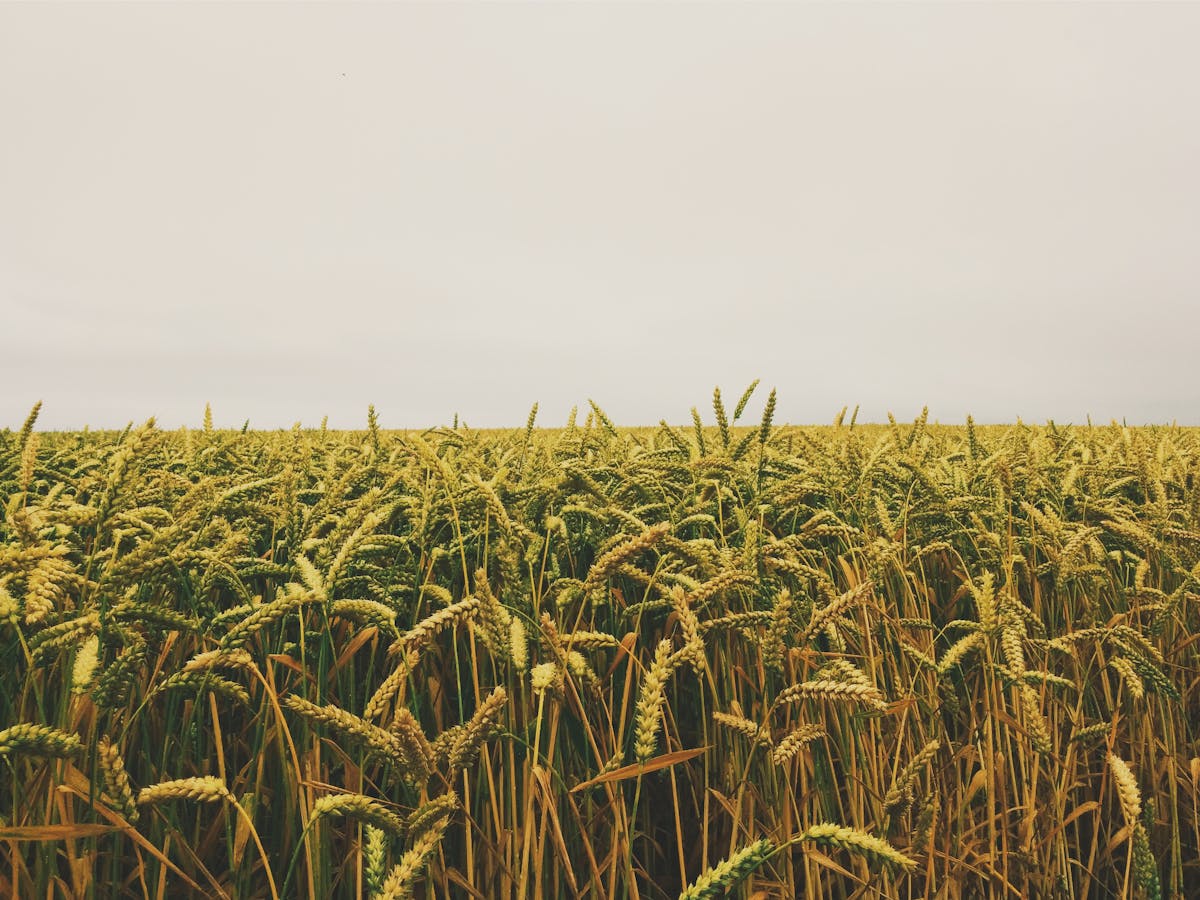
There’s a unique satisfaction that comes from stepping into your garden and harvesting fresh, flavourful produce that you’ve nurtured from seed. For home gardeners in the UK, this dream is entirely achievable, despite our often-unpredictable weather. The key to success lies in choosing the right crops – those that thrive in our temperate climate, can withstand a bit of cool, and reward you with abundant harvests. Forget the notion that exotic fruits are out of reach; our focus today is on the reliable, delicious, and genuinely rewarding vegetables that will make your UK garden a productive haven. Whether you’re a seasoned green thumb or just starting your gardening journey, understanding which crops perform best here will save you time, effort, and lead to bountiful returns on your gardening investment.
Understanding the UK Climate for Gardening
The UK's climate is primarily temperate, characterised by mild winters, cool summers, and consistent rainfall throughout the year, though regional variations are significant. The south-east tends to be warmer and drier, while the north and west are cooler and wetter. Frost can be a concern from October through to late May in some areas, making frost-hardy or protected growing essential for many crops. Long daylight hours in summer are a huge advantage, but cooler temperatures mean some heat-loving plants need a helping hand, like a greenhouse or cloche.
Our Top Crop Picks for UK Home Gardeners
Let's dive into the best vegetables to grow, categorising them for easier planning.
Root Vegetables: The Unsung Heroes
Root vegetables are fantastic for UK gardens because they're often hardy, store well, and provide consistent yields.
Carrots (Daucus carota)
A staple in any vegetable patch, carrots are surprisingly easy to grow directly from seed. They prefer light, well-drained soil, free from stones, which can cause forking.
- Why they're great for UK: Tolerate cooler temperatures, good succession planting candidate.
- Recommended varieties: 'Autumn King 2' (maincrop, good storage), 'Nantes 2' (early, sweet, cylindrical), 'Amsterdam Forcing 3' (early, ideal for containers).
- Sowing: Sow thinly directly into finely prepared soil from March to July, 1cm deep in rows 15-30cm apart.
- Care: Keep weed-free and thin seedlings to 5-10cm apart to allow roots to swell. Water consistently to prevent splitting.
- Harvesting: Depending on variety, 10-16 weeks after sowing. Pull when roots are a good size.
Potatoes (Solanum tuberosum)
Potatoes are incredibly versatile and a rewarding crop, especially 'new potatoes' dug fresh from your garden.
- Why they're great for UK: Adaptable to various soil types, good yield.
- Recommended varieties: 'Charlotte' (salad, waxy), 'Desiree' (maincrop, red skin, good for roasting), 'King Edward' (maincrop, floury, good all-rounder).
- Chitting: Start 'chitting' (sprouting) seed potatoes in February/March by placing them in an egg carton or tray in a cool, light, frost-free place.
- Planting: Plant 'earlies' in March/April, 'maincrops' in April/May, 10-15cm deep and 30-45cm apart in rows 60-75cm apart.
- Care: 'Earth up' (mound soil over emerging shoots) regularly to protect from frost and prevent tubers from turning green. Water well during dry spells, especially when flowers appear.
- Harvesting: 'First Earlies' in June/July (about 10-12 weeks), 'Second Earlies' in July/August (13-16 weeks), 'Maincrops' in August/September (18-20 weeks).
Radishes (Raphanus sativus)
For instant gratification, radishes are hard to beat, growing from seed to plate in a matter of weeks.
- Why they're great for UK: Fast-growing, ideal for intercropping.
- Recommended varieties: 'French Breakfast' (mild, elongated), 'Cherry Belle' (round, classic red).
- Sowing: Sow thinly from March to September, 1cm deep, 2.5cm apart in rows 15cm apart.
- Care: Keep soil consistently moist to prevent them from becoming woody or bolting.
- Harvesting: As little as 3-4 weeks after sowing. Pull when roots are small and tender.
Beetroot (Beta vulgaris)
From earthy roots to vibrant leaves, beetroot offers a double harvest.
- Why they're great for UK: Tolerant of cooler temperatures, versatile.
- Recommended varieties: 'Boltardy' (bolt-resistant, good for early sowing), 'Detroit 2 Red Globe' (classic, good for storage).
- Sowing: Sow directly from March to July, 2.5cm deep, 10cm apart in rows 30cm apart.
- Care: Keep weed-free and water regularly.
- Harvesting: Roots in 8-12 weeks. Leaves can be harvested young as 'baby leaf' or left to mature.
Leafy Greens: A Constant Supply
Leafy greens are perfect for cut-and-come-again harvesting, providing a continuous supply of fresh leaves.
Lettuce (Lactuca sativa)
A staple for salads, lettuce comes in many forms, offering variety in texture and flavour.
- Why they're great for UK: Quick growing, good for succession.
- Recommended varieties: 'Tom Thumb' (butterhead, compact), 'Salad Bowl' (loose leaf, cut-and-come-again), 'Little Gem' (cos, crisp).
- Sowing: Sow indoors from February, outdoors from March to August. Sow thinly 1cm deep.
- Care: Keep well-watered to prevent bolting, especially in warm weather.
- Harvesting: Loose leaf varieties can be harvested leaf by leaf. Hearting varieties are harvested whole.
Spinach (Spinacia oleracea)
Packed with nutrients, spinach is a relatively quick crop.
- Why they're great for UK: Tolerates partial shade, can be sown for spring and autumn harvests.
- Recommended varieties: 'Perpetual Spinach' (not true spinach, but a chard relative, very reliable), 'Apollo' (classic spinach, slow to bolt).
- Sowing: Sow directly from March to July, 2.5cm deep, 15cm apart in rows 30cm apart.
- Care: Keep moist. 'Perpetual Spinach' is more tolerant of heat and dry conditions.
- Harvesting: Pick outer leaves as needed for cut-and-come-again.
Kale (Brassica oleracea var. sabellica)
Extremely hardy and nutritious, kale thrives in cooler weather and can provide leaves throughout winter.
- Why they're great for UK: Frost-hardy, long harvesting period.
- Recommended varieties: 'Cavolo Nero' (black kale, intense flavour), 'Red Russian' (tender leaves, attractive colour).
- Sowing: Sow indoors in April/May, or directly outdoors in May/June. Plant out seedlings 60cm apart.
- Care: Requires fertile soil. Protect from cabbage white butterflies with netting.
- Harvesting: From autumn through winter. Pick lower leaves as needed.
Legumes: Nitrogen Fixers and Delicious Pods
Peas and beans are not only delicious but also enrich your soil by fixing nitrogen.
Peas (Pisum sativum)
The taste of fresh garden peas is incomparable.
- Why they're great for UK: Early varieties can tolerate cool springs.
- Recommended varieties: 'Feltham First' (early, shelling), 'Mangetout Oregon Sugar Pod' (edible pod), 'Sugar Snap' (edible pod, plump).
- Sowing: Sow directly from March to June, 5cm deep, 7.5cm apart in double rows 15cm apart, with 60cm between double rows.
- Care: Provide support (netting, pea sticks) for climbing varieties. Keep well-watered when flowering and podding.
- Harvesting: Shelling peas when pods are plump. Mangetout and Sugar Snaps when pods are tender.
Broad Beans (Vicia faba)
One of the earliest crops to sow, broad beans are incredibly resilient.
- Why they're great for UK: Very hardy, can be autumn-sown for an early crop.
- Recommended varieties: 'Aquadulce Claudia' (autumn/early spring sowing), 'Masterpiece Green Longpod' (good yields).
- Sowing: Autumn sow (October/November) for early crop, or spring sow (February-April) 5cm deep, 20cm apart in double rows 20cm apart, with 60cm between double rows.
- Care: Provide support for taller varieties. Pinch out growing tips when plants are laden with pods to deter blackfly.
- Harvesting: When pods are plump and young for tender beans.
Runner Beans (Phaseolus coccineus)
A prolific crop that will keep you harvesting all summer long.
- Why they're great for UK: Thrive in our summer temperatures, produce huge yields.
- Recommended varieties: 'Scarlet Emperor' (classic red flowers, good flavour), 'Polestar' (stringless, heavy cropping).
- Sowing: Sow indoors in April/May, or directly outdoors after the last frost (late May/early June), 5cm deep, 20-30cm apart.
- Care: Absolutely require sturdy support (a wigwam of canes or a bean frame). Keep well-watered, especially during flowering and pod development. Mist flowers in dry weather to aid pollination.
- Harvesting: Pick regularly when young and tender to encourage more production.
Fruiting Vegetables: The Summer Rewards
While some fruiting vegetables need a little more warmth, many are well-suited to UK summers.
Courgettes (Cucurbita pepo)
These vigorous plants are incredibly productive, often providing more than you know what to do with!
- Why they're great for UK: Grow quickly and prolifically in summer.
- Recommended varieties: 'Defender' (dark green, good disease resistance), 'Gold Rush' (yellow, cylindrical).
- Sowing: Sow indoors in April/May, or directly outdoors after the last frost (late May/early June). Plant seedlings 90cm-1.2m apart.
- Care: Require rich soil and consistent watering.
- Harvesting: Pick when fruits are young (10-15cm) to encourage continuous production.
Tomatoes (Solanum lycopersicum)
While outdoor tomatoes can be a gamble in cooler regions, many varieties do very well in a sheltered spot or greenhouse.
- Why they're great for UK: Many varieties are bred for cooler climates, greenhouse growing extends the season.
- Recommended varieties: 'Moneymaker' (classic, good for greenhouse), 'Gardener's Delight' (cherry, reliable outdoor), 'Mountain Magic' (disease resistant, good outdoor).
- Sowing: Sow indoors February-April. Plant out after last frost (late May/early June).
- Care: Require full sun, rich soil, and consistent watering. 'Cordon' (indeterminate) varieties need staking and 'pinching out' side shoots. 'Bush' (determinate) varieties are more compact and don't require pinching out.
- Harvesting: From July onwards, when fruits are fully coloured.
Comparison Tables for Informed Choices
Here are some detailed tables to help you compare options and make the best decisions for your garden.
Table 1: Root Vegetable Sowing & Thinning Guide
| Crop | Sowing Time (UK) | Seed Depth | Spacing (after thinning) | Days to Maturity | Notes |
|---|---|---|---|---|---|
| Carrots | March - July | 1 cm | 5-10 cm | 70-120 | Sow thinly to reduce thinning, which can attract carrot fly. |
| Beetroot | March - July | 2.5 cm | 10 cm | 60-90 | Each 'seed' is a cluster; thin to one plant per cluster. |
| Radishes | March - September | 1 cm | 2.5 cm | 20-30 | Sow small batches every 2 weeks for continuous harvest. |
| Potatoes | March - May (after chitting) | 10-15 cm | 30-45 cm | 70-150 | Earth up regularly. Different types (early/maincrop) have different timings. |
Table 2: Leafy Green Varieties & Harvesting Methods
| Crop | Recommended Varieties | Harvest Method | Best Sowing Period (UK) | Notes |
|---|---|---|---|---|
| Lettuce | 'Salad Bowl', 'Little Gem' | Cut-and-come-again / Whole Head | March - August | Keep well-watered to prevent bitterness and bolting. |
| Spinach | 'Perpetual Spinach', 'Apollo' | Cut-and-come-again | March - July | 'Perpetual Spinach' is more heat-tolerant. |
| Kale | 'Cavolo Nero', 'Red Russian' | Outer leaves as needed | April - June | Very hardy, can provide leaves through winter. Netting for pests. |
| Swiss Chard | 'Bright Lights', 'White Silver' | Cut-and-come-again | March - July | Colourful stems, similar to spinach but more robust. |
Table 3: Legume Support & Spacing Guide
| Crop | Support Required? | Typical Support Type | Planting Spacing (in row) | Row Spacing | Notes |
|---|---|---|---|---|---|
| Peas | Yes | Netting, pea sticks, canes | 7.5 cm | 60 cm (between double rows) | Dwarf varieties may need less support, but still benefit. |
| Broad Beans | Yes (for taller types) | Staking, string | 20 cm | 60 cm (between double rows) | Pinch out tips to prevent blackfly and encourage pod set. |
| Runner Beans | Absolutely | Sturdy canes (wigwam/frame) | 20-30 cm | 60-90 cm | Ensure support is in place before planting. Water heavily. |
Practical Tips and Best Practices for UK Gardeners
Maximise your harvest with these essential gardening practices:
- Soil Preparation is Key: Most vegetables prefer rich, well-drained soil. Incorporate plenty of organic matter (compost or well-rotted manure) in autumn or early spring. A slightly acidic to neutral pH (6.0-7.0) suits most crops.
- Crop Rotation: To prevent nutrient depletion and disease build-up, rotate your crops annually. Don't grow the same family of vegetables in the same spot for more than one year. A simple rotation might be: Legumes > Brassicas > Roots > Fruiting Vegetables.
- Watering Wisely: Consistent watering is crucial, especially during dry spells and for young plants. Water deeply at the base of plants in the morning or evening to minimise evaporation. Avoid overhead watering, which can encourage fungal diseases.
- Pest and Disease Management:
- Prevention: Use resistant varieties, ensure good air circulation, and practice crop rotation.
- Physical Barriers: Netting protects brassicas from cabbage white butterflies, and fleece can guard against carrot fly and early frosts.
- Organic Solutions: Hand-pick larger pests like slugs and snails. Introduce beneficial insects (e.g., ladybirds for aphids). Use organic sprays as a last resort.
- Succession Planting: For a continuous harvest of quick-growing crops like lettuce, radishes, and spinach, sow small batches every 2-3 weeks from spring to late summer.
- Companion Planting: Certain plants can benefit each other. Marigolds deter nematodes, nasturtiums act as a trap crop for aphids, and beans fix nitrogen for neighbouring plants.
- Protecting from UK Weather:
- Cold Frames & Cloches: Extend the growing season in spring and autumn, protecting tender seedlings from frost.
- Fleece: Lightweight horticultural fleece offers temporary frost protection for direct-sown seeds and young plants.
- Windbreaks: Hedges or fences can provide shelter from strong winds, which can damage plants.
Common Mistakes to Avoid
Even experienced gardeners make mistakes. Learning from common pitfalls can save you frustration.
- Planting Too Early: Resist the urge to plant tender crops like tomatoes, courgettes, and beans before the last risk of frost has truly passed (usually late May in many parts of the UK). A sudden cold snap can wipe out young plants.
- Ignoring Soil Health: Skimping on soil preparation leads to poor plant growth. Healthy soil is the foundation of a productive garden.
- Overwatering or Underwatering: Both extremes are detrimental. Feel the soil; it should be consistently moist but not waterlogged. Younger plants and those in containers generally need more frequent watering.
- Overcrowding: While it's tempting to plant everything close together, proper spacing is vital for air circulation, light penetration, and root development. Follow spacing guidelines for healthier, more productive plants.
- Not Providing Adequate Support: Many climbing plants like peas, beans, and cordon tomatoes need sturdy support from the beginning. Waiting until they're large can damage roots and stems.
- Giving Up Too Soon: Gardening is a learning process. Some crops will thrive, others might struggle. Don't be disheartened by setbacks; learn from them and try again next season.
Conclusion
Embarking on the journey of growing your own food in the UK is an incredibly rewarding experience. By selecting crops that are well-suited to our climate, providing them with the right care, and learning from each season, you'll soon be enjoying a bounty of fresh, delicious produce straight from your garden. From the humble potato to the vibrant kale, the options are plentiful and incredibly satisfying. Don't be afraid to experiment, observe your plants, and most importantly, enjoy the process. The taste of homegrown is truly unparalleled, and with these tips, your UK garden can be a thriving testament to your green thumb. Happy growing!